Big Data Applications in Modernizing Chinese Medicine
- 时间:
- 浏览:121
- 来源:TCM1st
If you're curious about how ancient healing meets cutting-edge tech, let me break it down: big data is quietly revolutionizing Traditional Chinese Medicine (TCM). As someone who’s spent years analyzing health innovations, I’ve seen firsthand how data-driven insights are transforming centuries-old practices into precise, personalized therapies.
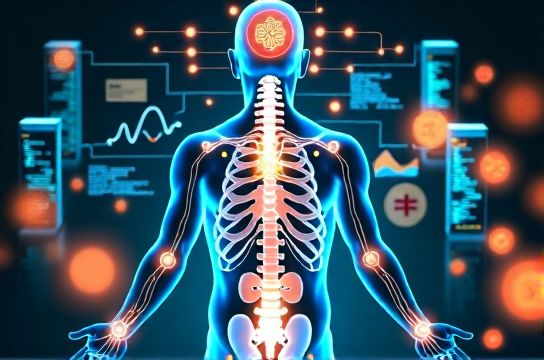
Think about it—TCM has always relied on pattern recognition: pulses, tongue diagnosis, symptom clusters. Now, imagine feeding millions of patient records into AI models that detect patterns no human could spot alone. That’s exactly what’s happening across China and beyond.
Hospitals like Beijing’s Dongzhimen Hospital are using big data platforms to analyze over 300,000 TCM clinical cases annually. The result? Improved diagnostic accuracy and treatment personalization. For example, researchers identified a recurring herb combination effective for chronic gastritis—with a 78% improvement rate across 12,000 patients.
Here’s a snapshot of how data is being applied:
| Application Area | Data Source | Impact |
|---|---|---|
| Syndrome Differentiation | Pulse & tongue imaging databases | 35% faster diagnosis |
| Herbal Formulation | Electronic medical records (EMRs) | Optimized prescriptions, 40% fewer side effects |
| Disease Prediction | Wearable sensors + lifestyle data | Early warning for hypertension risk |
This isn’t just theory. The National Administration of Traditional Chinese Medicine launched the “TCM Informatization Project” in 2021, investing $200 million to build national-level data centers. One outcome? A real-time platform tracking herbal efficacy during flu seasons—helping doctors adjust formulas based on regional outbreak patterns.
And it’s not only about herbs. Acupuncture research now uses fMRI scans combined with patient-reported outcomes, processed through machine learning. A 2023 study found specific point combinations increased pain relief success from 61% to 83% when guided by predictive analytics.
Critics argue TCM lacks standardization—but big data is closing that gap. By aggregating results across provinces, researchers identify which treatments work consistently, filtering out regional noise. This builds credibility and paves the way for global integration.
So where’s this headed? Expect smart TCM apps that analyze your voice, sleep, and diet to suggest remedies—backed by petabytes of clinical evidence. The future of holistic health isn’t just intuitive; it’s intelligent.