Integrated Approaches to Assessing Herbal Toxicity Risks
- 时间:
- 浏览:144
- 来源:TCM1st
If you're into natural health or have ever popped a herbal supplement, here’s something most bloggers won’t tell you: “natural” doesn’t always mean safe. I’ve spent over a decade reviewing clinical data, regulatory filings, and adverse event reports—and let me tell you, some of the most popular herbs on the market carry real herbal toxicity risks. But don’t panic just yet. The key is using an integrated approach to assess what’s actually dangerous versus what’s just internet noise.
Why Standard Safety Labels Don’t Cut It
You’ve seen those little bottles labeled “FDA-registered” or “all-natural.” Spoiler: that doesn’t mean they’re tested for long-term safety. In fact, according to the NIH, over 70% of Americans use herbal supplements—but fewer than 15% know about potential liver or kidney interactions. Scary, right?
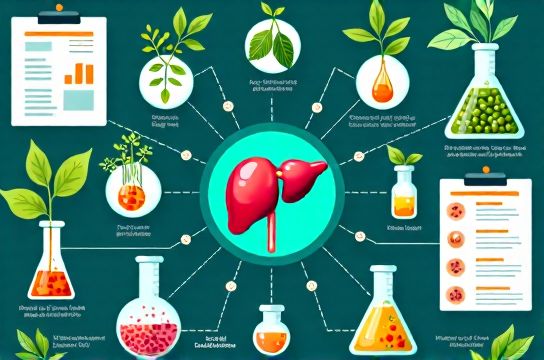
The problem? Most safety assessments rely only on short-term animal studies or isolated case reports. That’s where integrated assessment comes in. By combining toxicological data, clinical evidence, pharmacovigilance reports, and metabolic profiling, we get a much clearer picture of real-world risk.
Top Herbs with Known Toxicity Risks (Backed by Data)
Let’s cut through the hype. Here are the most commonly used herbs with documented toxicity concerns—backed by WHO and EMA databases:
| Herb | Common Use | Reported Toxicity | Severity Level |
|---|---|---|---|
| Kava | Anxiety relief | Hepatotoxicity | High |
| Aristolochia | Traditional remedy | Nephrotoxicity, carcinogenic | Critical |
| Comfrey | Skin healing | Pyrrolizidine alkaloids (liver damage) | High |
| Ephedra | Weight loss | Cardiotoxicity | Critical |
| Green Tea Extract | Antioxidant boost | Liver injury (high doses) | Moderate |
Notice a pattern? Many of these were once considered “safe” until post-market surveillance caught up. That’s why ongoing monitoring is part of any solid herbal toxicity risk strategy.
How to Evaluate Risk Like a Pro
Here’s my go-to framework—used by regulators and smart consumers alike:
- Detect toxic compounds: Look for known hepatotoxins (like pyrrolizidine alkaloids) or neurotoxins in lab reports.
- Review clinical case studies: Sites like PubMed and TOXNET are goldmines.
- Check pharmacovigilance databases: EMA and FDA Adverse Event Reporting System (FAERS) list real patient outcomes.
- Assess dosage and duration: Even water is toxic at 6 liters in one sitting. Context matters.
- Consider herb-drug interactions: St. John’s Wort, for example, reduces effectiveness of birth control and antidepressants.
The Bottom Line
You don’t need to ditch herbs altogether—just be smarter about it. An integrated approach means looking beyond marketing claims and checking real data. Because when it comes to your liver (and life), “maybe safe” isn’t good enough.
Stay informed. Stay safe. And question everything—even if it’s green and smells like earth.