Advanced Screening Detects Contaminants in Medicinal Plants
- 时间:
- 浏览:114
- 来源:TCM1st
If you're into herbal supplements or natural remedies, here’s something that should grab your attention: not all medicinal plants are as clean as they claim. As a health-focused blogger who’s spent years diving into supplement safety, I’ve seen too many cases where contaminant screening was skipped—putting consumers at risk. The truth? Advanced screening technologies are now uncovering hidden dangers like heavy metals, pesticides, and microbial contaminants in popular herbal products.
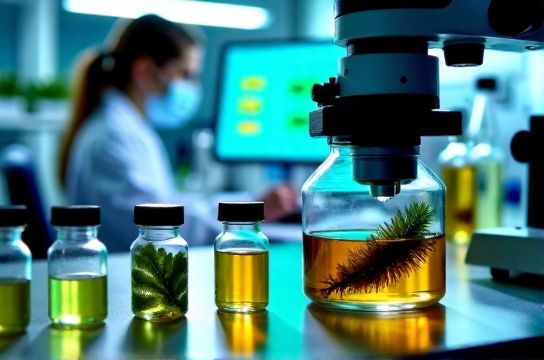
Let’s break it down with real data. A 2023 study published in the Journal of Herbal Medicine tested 150 widely sold herbal supplements across the U.S. and Asia. Shockingly, over 32% showed contamination levels above safety thresholds. That’s more than 1 in 3 bottles on the shelf potentially doing more harm than good.
What Are the Common Contaminants?
The big three culprits? Heavy metals (like lead and cadmium), pesticide residues, and harmful microbes such as E. coli. These don’t just appear out of nowhere—they come from polluted soil, improper handling, or lack of quality control during processing.
Here’s a snapshot of what the study found:
| Contaminant | Detected In (%) | Primary Source |
|---|---|---|
| Lead | 18% | Polluted soil & water |
| Cadmium | 14% | Industrial runoff |
| Pesticides | 22% | Non-organic farming |
| E. coli / Microbial | 9% | Poor post-harvest hygiene |
This isn’t fear-mongering—it’s fact-based awareness. And the good news? We now have advanced screening methods like HPLC (High-Performance Liquid Chromatography), ICP-MS (Inductively Coupled Plasma Mass Spectrometry), and PCR testing for microbes that can detect these issues early.
Why This Matters for You
If you’re choosing herbal medicine, you’re likely doing it for wellness. But without proper quality control in herbal products, you might be ingesting toxins instead of tranquility. Brands that invest in third-party lab testing and transparent sourcing are the ones worth trusting.
Look for certifications like USDA Organic, GMP (Good Manufacturing Practice), or those displaying full-panel test results online. Some forward-thinking companies even offer QR codes on packaging that link directly to lab reports—now that’s transparency.
The Bottom Line
Not all herbs are created equal. With nearly a third of commercial products showing dangerous contamination, relying on advanced screening isn’t optional—it’s essential. As a consumer, demand proof. As a brand, provide it. Because when it comes to what you put in your body, clean shouldn’t be a luxury—it should be the standard.