Global Collaboration Strengthens Herbal Medicine Regulations
- 时间:
- 浏览:138
- 来源:TCM1st
If you're diving into the world of herbal medicine—whether as a consumer, practitioner, or entrepreneur—you’ve probably noticed something: regulations are all over the map. One country approves a herb for medicinal use, while another bans it outright. But here’s the good news: global collaboration is finally bringing clarity and consistency to this wild west of wellness.
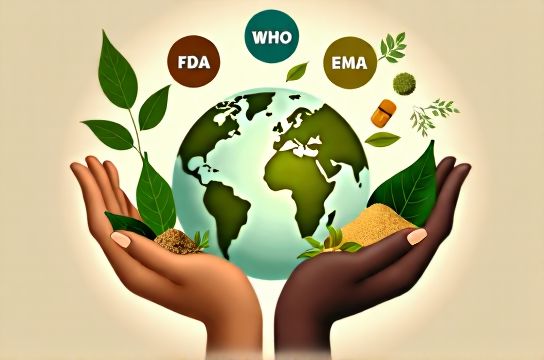
I’ve been tracking herbal supplement trends for over a decade, from Ayurvedic roots in India to traditional Chinese medicine (TCM) exports. And honestly? The lack of standardization used to drive me nuts. But now, thanks to initiatives like the WHO’s Global Atlas of Traditional Medicine and joint efforts between the FDA, EMA, and ASEAN regulators, we’re seeing real progress.
Why Regulation Matters More Than Ever
Sales of herbal medicines topped $140 billion globally in 2023 (Statista), with double-digit growth in regions like Southeast Asia and Latin America. But where there’s demand, there’s also risk—adulteration, mislabeling, and unsafe dosages are still common.
Take kava, for example. Banned in parts of Europe over liver toxicity concerns, yet safely consumed for centuries in the Pacific Islands. The issue wasn’t the herb—it was poor processing and incorrect usage. That’s why science-backed herbal medicine regulations are crucial: they protect consumers without erasing cultural traditions.
How Countries Are Aligning Standards
The European Medicines Agency (EMA) now recognizes over 400 herbal substances with approved therapeutic claims. Meanwhile, China has registered more than 7,000 TCM products under tightened state oversight. And in the U.S., the FDA’s Botanical Review Team is fast-tracking guidance for complex plant-based drugs.
But the real game-changer? Information sharing. Regulators are pooling data on safety, efficacy, and cultivation practices. Here’s a snapshot of key regulatory frameworks today:
| Region | Regulatory Body | Approved Herbal Substances | Key Initiative |
|---|---|---|---|
| European Union | EMA | 400+ | Herbal Medicinal Products Directive |
| United States | FDA | ~200 (GRAS & dietary) | Botanical Drug Development Guidance |
| China | NMPA | 7,000+ TCM products | 2020 TCM Law Update |
| ASEAN | ASEAN HMC | 180 harmonized herbs | Common Technical Dossier Template |
This kind of alignment means safer products, clearer labeling, and better research funding. It also opens doors for ethical sourcing and fair trade—something I dive into in my guide on global herbal supply chains.
What This Means for You
Whether you’re formulating a new supplement line or just trying to choose a reliable echinacea brand, these evolving standards mean more transparency and trust. Look for certifications like GMP, ISO, or WHO-recognized national seals when buying or importing.
The bottom line? Collaboration isn’t just nice—it’s necessary. As herbal medicine goes global, smart regulation ensures tradition meets science, and safety never takes a back seat.