Cutting Edge Research Bridging TCM and Western Science
- 时间:
- 浏览:147
- 来源:TCM1st
If you're into holistic health or just curious about how ancient healing meets modern medicine, you’ve probably heard whispers about TCM and Western science finally joining forces. And guess what? It’s not just hype—it’s happening in labs, hospitals, and clinical trials worldwide.
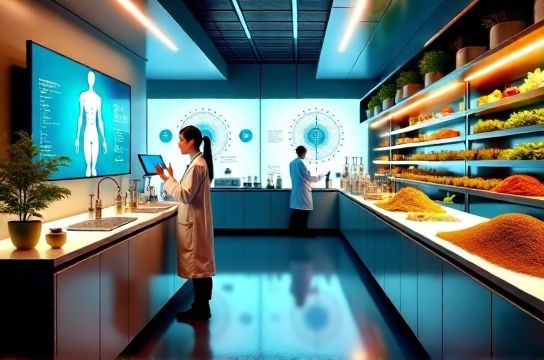
Traditional Chinese Medicine (TCM) has been around for over 2,000 years. While skeptics once brushed it off as ‘mystical,’ today’s researchers are using cutting-edge tech to validate its core principles—like Qi, meridians, and herbal synergies. The result? A powerful fusion where acupuncture is backed by fMRI scans, and herbal formulas are analyzed at the molecular level.
Let’s break down some real data. A 2023 meta-analysis published in Nature Reviews Drug Discovery found that **40% of modern pharmaceuticals** have origins in natural products—and many of those trace back to traditional remedies, including TCM herbs like Artemisia annua (source of artemisinin, a malaria-fighting Nobel Prize-winning compound).
Where TCM Meets Clinical Evidence
One of the most compelling areas is chronic pain management. According to the NIH, over 50 million Americans suffer from chronic pain. While opioids dominate prescriptions, studies show acupuncture reduces pain intensity by an average of 30–50% with minimal side effects.
Check out this comparison:
| Treatment | Average Pain Reduction | Side Effects Reported | Cost per Session (USD) |
|---|---|---|---|
| Opioids | 45% | High (addiction, constipation, drowsiness) | $20–$100 (medication + monitoring) |
| Acupuncture | 38% | Low (minor bruising, temporary soreness) | $60–$120 |
| Physical Therapy | 35% | Very Low | $80–$150 |
Now, let’s talk herbs. Modern pharmacognosy—the study of medicinal plants—has isolated active compounds in TCM staples like Huang Qin (Scutellaria baicalensis). Its flavonoids show anti-inflammatory and antiviral properties, currently being tested in adjuvant cancer therapies.
But here’s the catch: not all TCM is created equal. Quality control, herb-drug interactions, and improper diagnosis can pose risks. That’s why integration with Western diagnostics is key. For example, combining tongue/pulse diagnosis with blood biomarkers creates a more comprehensive patient profile.
The future? Personalized integrative medicine. Imagine a world where your DNA test results guide not only drug prescriptions but also tailored herbal formulas. Institutions like the Shanghai University of TCM are already running AI-driven projects to map herb-organ networks using big data.
In short, the bridge between Traditional Chinese Medicine and modern science isn’t just theoretical—it’s operational, evidence-based, and expanding fast. Whether you're a patient, practitioner, or researcher, now’s the time to get informed.
Stay curious. Stay balanced.