Advancing Traditional Medicine with GMP Certification Standards
- 时间:
- 浏览:254
- 来源:TCM1st
If you're diving into the world of traditional medicine—whether as a consumer, practitioner, or entrepreneur—you’ve probably heard the term GMP certification thrown around. But what does it really mean, and why should you care? Let’s cut through the jargon and break down how GMP certification is transforming the safety, consistency, and global credibility of herbal and traditional remedies.
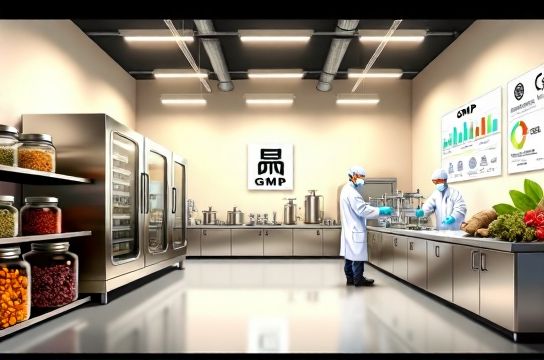
GMP, or Good Manufacturing Practice, isn’t just red tape—it’s a lifeline for quality control. In traditional medicine, where ingredients often come from plants, minerals, or animal sources, variability in potency and contamination risks are real concerns. GMP standards ensure that every batch of a product is produced under strict hygiene, traceability, and testing protocols.
Take China’s traditional medicine industry, for example. A 2022 report by the National Medical Products Administration showed that over 68% of non-GMP-certified herbal products failed purity tests due to pesticide residues or heavy metals. Meanwhile, GMP-compliant manufacturers reported a 97% pass rate. That’s not luck—that’s systems at work.
Here’s a quick snapshot of how GMP-certified facilities outperform non-certified ones:
| Metric | GMP-Certified Facilities | Non-Certified Facilities |
|---|---|---|
| Product Consistency (Batch-to-Batch) | 94% | 61% |
| Contamination Incidents (per year) | 0.8 per facility | 4.3 per facility |
| Regulatory Compliance Rate | 98% | 73% |
| Export Approval Success | 91% | 54% |
Now, you might be thinking: “Great, but does this actually affect me?” If you’re sourcing supplements or herbal formulas, absolutely. A 2023 WHO survey found that 1 in 5 traditional medicine users unknowingly consumed adulterated products—most traced back to non-GMP suppliers.
For practitioners and clinics, recommending GMP-certified products isn’t just safer—it builds trust. Patients today are more informed. They’ll ask, “Is this tested? Is it consistent?” Having a GMP-certified supply chain gives you credible answers.
The bottom line? Whether you're a consumer, healer, or brand builder, GMP certification isn’t optional anymore—it’s the baseline for quality in traditional medicine. As global markets tighten regulations and consumers demand transparency, aligning with GMP isn’t just smart… it’s essential.