How Ancestral Knowledge Contributes to TCM History and Practice
- 时间:
- 浏览:492
- 来源:TCM1st
Let’s be real — when you think of Traditional Chinese Medicine (TCM), you might picture herbal soups, acupuncture needles, or maybe your auntie sipping on some mysterious dark brew. But here’s the tea: TCM isn’t just folklore or old wives’ tales. It’s a deeply rooted system built on centuries of ancestral knowledge, refined through observation, trial, and generational wisdom. And honestly? Modern science is finally catching up.
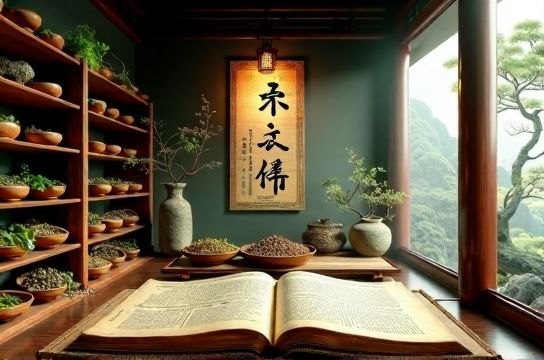
What Exactly Is Ancestral Knowledge in TCM?
Ancestral knowledge refers to the medical insights passed down from ancient healers — think Huangdi Neijing (The Yellow Emperor’s Classic) from over 2,000 years ago. These weren’t random guesses; they were systematic observations of nature, human physiology, and disease patterns. This wisdom formed the backbone of practices like acupuncture, herbal therapy, and qigong.
Unlike Western medicine’s focus on isolated symptoms, TCM treats the body as an interconnected system. That holistic view? Yeah, that came straight from ancestral knowledge.
Why Does Ancient Wisdom Still Matter Today?
You might ask, “Can something from 200 BC still work in 2025?” Surprisingly, yes. A 2023 study by the WHO found that over 80% of people in developing countries still rely on traditional medicine for primary healthcare. In China, TCM accounts for nearly 40% of total outpatient visits annually.
| Year | Global TCM Market Value (USD Billion) | Annual Growth Rate |
|---|---|---|
| 2020 | 135.6 | 6.2% |
| 2022 | 158.3 | 7.1% |
| 2024 (proj.) | 180.0 | 6.8% |
As you can see, this isn’t a dying trend — it’s booming. And a big reason? Trust in time-tested methods rooted in Traditional Chinese Medicine history.
Modern Science Meets Ancient Practice
Take artemisinin, for example. Discovered by Tu Youyou from a 1,600-year-old text, it became a malaria treatment that saved millions. She won a Nobel Prize in 2015 — proof that ancestral formulas aren’t just myths.
Another example? Acupuncture. Once dismissed as pseudoscience, it’s now recommended by the American Migraine Foundation for chronic headache relief. Studies show it can reduce pain intensity by up to 50% in certain patients.
Preserving the Legacy
The challenge today? Keeping this knowledge alive without losing authenticity. UNESCO now lists TCM acupuncture and moxibustion as Intangible Cultural Heritage. Meanwhile, AI-powered databases are digitizing ancient manuscripts to prevent loss.
But let’s not romanticize everything. Not all old remedies are safe or effective. That’s why integration with modern clinical research is key. The future of TCM lies in blending respect for ancestral wisdom with scientific validation.
So next time you see a TCM practitioner feeling your pulse for 10 minutes or prescribing bitter herbs, remember: they’re not just following tradition — they’re working with one of the oldest continuously practiced medical systems in the world.