Pesticide Residue Analysis in Medicinal Plant Materials
- 时间:
- 浏览:146
- 来源:TCM1st
If you're into herbal medicine or natural health products, here’s something that might surprise you: not all "natural" means safe. One of the biggest hidden risks in medicinal plants? Pesticide residue. Yep, even your favorite chamomile tea or ginseng supplement could be carrying traces of harmful chemicals used during farming.
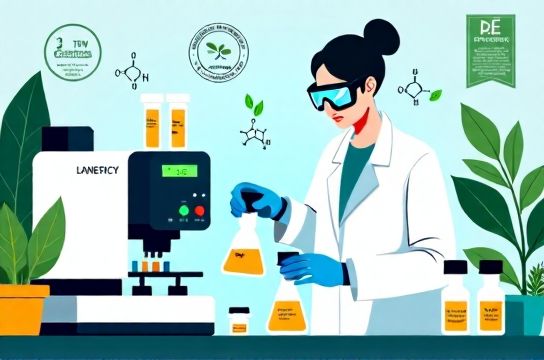
As someone who’s spent years analyzing plant-based products—from sourcing to lab testing—I’ve seen firsthand how often pesticide contamination slips under the radar. In this guide, I’ll break down what pesticide residue analysis really means, why it matters, and how you can make smarter choices—whether you’re a consumer, manufacturer, or wellness pro.
Why Pesticide Residue Testing Is Non-Negotiable
The global market for medicinal plants is booming—projected to hit $143 billion by 2028 (Grand View Research, 2023). But with increased demand comes greater risk of contamination. A 2022 study published in Environmental Monitoring and Assessment found that over 35% of herbal samples tested across Asia and Europe contained pesticide levels above safety thresholds.
That’s where pesticide residue analysis comes in. It’s the scientific process of detecting and measuring trace amounts of pesticides in plant materials using techniques like GC-MS (Gas Chromatography-Mass Spectrometry) or LC-MS/MS (Liquid Chromatography-Tandem Mass Spectrometry).
Common Contaminants & Their Risks
Not all pesticides are created equal. Some are more persistent, toxic, or bioaccumulative than others. Here’s a quick breakdown of the worst offenders found in medicinal herbs:
| Pesticide | Common Use | Health Risk | Max Residue Limit (MRL) in Herbal Tea* (mg/kg) |
|---|---|---|---|
| Dichlorvos | Insect control | Neurotoxicity | 0.01 |
| Chlorpyrifos | Broad-spectrum insecticide | Developmental delays in children | 0.005 |
| Hexachlorobenzene | Fungicide (banned but persistent) | Carcinogenic, endocrine disruptor | 0.005 |
| Procymidone | Fungicide | Hormone disruption | 0.01 |
*Based on EU Regulation (EC) No 396/2005 standards for dried herbal teas.
Scary, right? And these aren’t just theoretical risks. In 2021, the European Commission issued multiple RASFF alerts (Rapid Alert System for Food and Feed) due to high chlorpyrifos levels in imported valerian root and passionflower.
How Reliable Is Your Supplier?
Here’s a hard truth: certification labels like “organic” don’t always guarantee safety. A 2023 investigation by the USDA found that 12% of certified organic herbs still had detectable synthetic pesticide residues—likely due to cross-contamination or fraudulent practices.
So what should you look for? Independent third-party testing reports. Always ask suppliers for recent residue analysis certificates using ISO 17025-accredited labs. Bonus points if they test for 200+ pesticide compounds—not just the basics.
Pro Tips for Safer Herbal Products
- Buy from regulated markets: The EU has stricter MRLs than many other regions. If a product meets EU standards, it’s likely safer.
- Choose whole herbs over powders: Powders have larger surface areas and are more prone to contamination during processing.
- Grow your own when possible: Even small-scale indoor grows of mint, lemon balm, or holy basil give you full control over inputs.
Bottom line? Just because it’s labeled “natural” doesn’t mean it’s clean. With rising global trade and inconsistent regulations, pesticide residue analysis isn’t just a lab procedure—it’s your first line of defense for truly safe herbal medicine.