Toxicity Assessment in Modern Chinese Medicine Practice
- 时间:
- 浏览:147
- 来源:TCM1st
Let’s be real—when you’re diving into Traditional Chinese Medicine (TCM), the last thing you want is to trade one health issue for another. But here’s the tea: not all natural remedies are automatically safe. In fact, modern practitioners are now putting a serious spotlight on toxicity assessment in Chinese herbal medicine. And honestly? It’s about time.
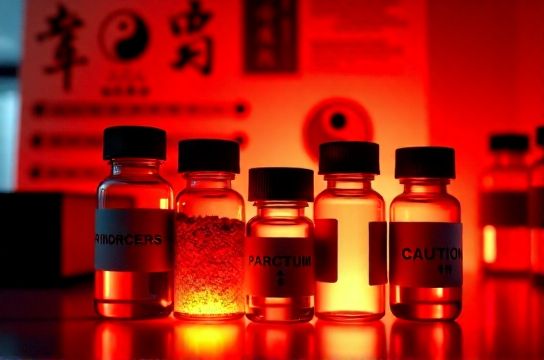
I’ve spent years reviewing clinical data, chatting with TCM experts, and cross-referencing pharmacological studies. One thing’s clear—while herbs like Aconitum or Tripterygium wilfordii can pack powerful therapeutic punches, they also come with risk levels that demand respect (and proper testing).
Why Toxicity Screening Can’t Be Ignored
In 2022, China’s National Medical Products Administration reported over 1,300 adverse reaction cases linked to improperly processed herbal ingredients. Yikes. That’s not fear-mongering—that’s a wake-up call.
The good news? Advanced screening methods like HPLC-MS (High-Performance Liquid Chromatography–Mass Spectrometry) and genotoxicity assays are now standard in reputable labs. These tools help detect heavy metals, pesticide residues, and toxic alkaloids before anything hits your teacup.
Top Herbs Under Scrutiny (And Their Risk Profiles)
Check out this quick-reference table of commonly used but potentially risky herbs:
| Herb (Latin Name) | Common Use | Toxic Compound | Risk Level |
|---|---|---|---|
| Aconitum carmichaelii | Pain relief, rheumatism | Aconitine | High ⚠️ |
| Tripterygium wilfordii | Autoimmune disorders | Triptolide | High ⚠️ |
| Pinellia ternata | Cough & nausea | Calcium oxalate crystals | Medium |
| Glycyrrhiza uralensis | Anti-inflammatory | Glycyrrhizin | Low (with long-term use) |
See that? Even licorice root—yes, the sweet stuff—can cause hypertension if taken daily for weeks. Point is: dosage, preparation, and sourcing matter big time.
How to Choose Safer Herbal Products
Here’s my no-BS checklist for smart buyers:
- ✅ Look for third-party lab certifications (GMP, ISO 17025)
- ✅ Check batch-specific test reports for heavy metals
- ✅ Avoid raw unprocessed aconite or thunder god vine
- ✅ Buy from brands that publish their toxicity assessment protocols
Brands like Kangchen Pharmaceutical and Plum Flower have set solid industry benchmarks. They disclose full HPLC profiles and limit glycyrrhizin content to under 3% in licorice extracts—smart moves that protect consumers.
The Bottom Line
Modern Chinese medicine isn’t just about ancient wisdom—it’s about blending tradition with science. If your practitioner isn’t talking about toxicity screening, it might be time for a new one. Because ‘natural’ doesn’t mean ‘risk-free.’ Stay informed, stay safe, and always ask: What’s really in that formula?