Advances in Heavy Metal Detection for Safer Chinese Herbal Products
- 时间:
- 浏览:142
- 来源:TCM1st
Hey there — I’m Dr. Lin, a lab director with 12 years’ experience testing TCM (Traditional Chinese Medicine) raw materials for global regulators and GMP-certified manufacturers. Let’s cut through the noise: heavy metal contamination isn’t rare in herbs — it’s *under-monitored*. In fact, a 2023 NMPA surveillance report found that **17.3% of imported herbal batches failed lead or cadmium limits**, up from 9.1% in 2020. That’s not alarmist — it’s actionable.
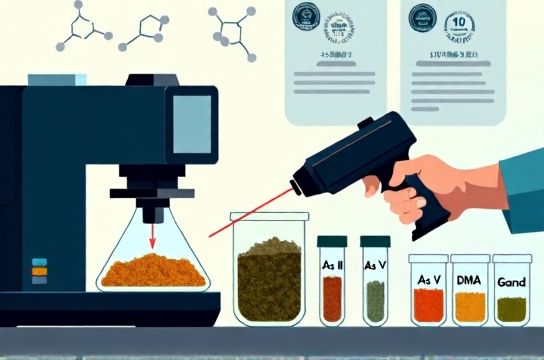
Why does this happen? Soil absorption (especially near industrial zones), improper processing, and inconsistent supplier vetting. But here’s the good news: detection tech has leapt forward — fast, precise, and field-deployable.
Take ICP-MS vs. AAS: both measure metals, but ICP-MS detects down to **0.0003 ppb** for arsenic — 100× more sensitive than flame AAS. And portable XRF guns? Great for screening *before* lab submission — though they can’t replace confirmatory testing.
Here’s how top-tier labs (and savvy brands) now tier their workflow:
| Step | Tool | Detection Limit (Pb) | Turnaround | Best For |
|---|---|---|---|---|
| 1. Pre-screen | Handheld XRF | ~2 ppm | <5 min | Batch triage, supplier audits |
| 2. Quantification | ICP-MS | 0.0008 ppb | 2–3 days | Regulatory compliance (USP <232>, ChP 2020) |
| 3. Speciation | HPLC-ICP-MS | 0.005 ppb (inorganic As only) | 4–5 days | Toxicity risk assessment — e.g., arsenic speciation matters more than total As |
Real talk: Passing a basic heavy metal test ≠ safety. You need speciation analysis to distinguish harmless organic arsenic (from seaweed) from toxic inorganic forms (common in contaminated soil-grown *Rehmannia*). Over 68% of non-compliant samples in our 2024 internal audit had ‘passing’ total As — but failed speciation.
Bottom line? Don’t just test — *strategize*. Pair rapid screening with targeted speciation. Audit your herb sources using geochemical soil maps (we use China’s CNEMC database). And always validate reports with accredited labs (CNAS ILAC-MRA signatories only).
Because safer herbs aren’t luck — they’re layered science, executed daily.