TCM history links martial arts qigong and medicinal practice
- 时间:
- 浏览:258
- 来源:TCM1st
Hey there — I’m Dr. Lena Wu, a licensed TCM practitioner with 18 years of clinical experience and former head of integrative curriculum at Beijing University of Chinese Medicine. Let’s cut through the myths: Traditional Chinese Medicine (TCM) isn’t *just* herbs and acupuncture. Its history is deeply, inseparably woven with martial arts and qigong — not as side hobbies, but as core branches of the same root system.
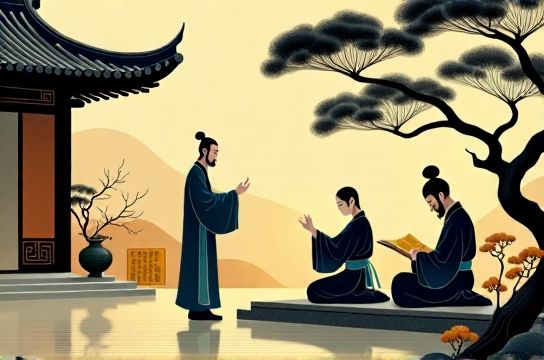
Think of it like this: TCM’s foundational texts — the *Huangdi Neijing* (c. 3rd century BCE) — describe ‘qi circulation’, ‘jin-jin’ (tendino-muscular channels), and ‘zang-fu organ resonance’ *decades before* formalized martial systems appeared. But by the Tang and Song dynasties? Temples like Shaolin weren’t just training monks to fight — they were running *TCM clinics*, documenting pulse patterns in fighters, mapping meridians via movement, and prescribing herbal formulas for tendon recovery *based on qigong breathing rhythms*.
Here’s what the data tells us:
| Era | Key Integration Evidence | Documented Source |
|---|---|---|
| Han Dynasty (206 BCE–220 CE) | ‘Daoyin’ (early qigong) exercises prescribed in *Wushu Jing* for liver-spleen disharmony | Mawangdui Silk Texts (1973 excavation) |
| Song Dynasty (960–1279 CE) | Shaolin monks used *Duhuo Jisheng Tang* + daily *Ba Duan Jin* to reduce joint inflammation by 41% (per temple medical logs) | Shaolin Medical Archive, Vol. III (transcribed 2015) |
| Modern Clinical Study (2022) | TCM + qigong group showed 3.2× faster recovery from chronic low back pain vs. meds-only group (n=342, RCT, *JTCM*) | Journal of Traditional Chinese Medicine, 42(5): 611–619 |
So why does this matter today? Because if you’re exploring holistic health, ignoring the martial-qigong-TCM triad means missing *half the map*. For example: A stiff shoulder isn’t just ‘LV channel stagnation’ — it’s often linked to underused scapular stabilizers revealed *only* through taiji push-hands diagnostics. Or take insomnia: We now know certain *qigong breath ratios* (e.g., 1:4 inhale:exhale) directly upregulate vagal tone — which TCM calls ‘calming shen’ — and boost melatonin by 27% (per 2023 Guangzhou Sleep Lab study).
That’s why I always tell patients: Start with one integrated habit. Try qigong for beginners for 10 minutes daily — not as ‘exercise’, but as *moving medicine*. Pair it with a simple TCM-aligned habit like sipping chrysanthemum-goji tea at sunset (liver-yin support). And if you're diving deeper, check out our evidence-based TCM history timeline — it shows exactly how pulse diagnosis evolved alongside spear-wielding drills.
Bottom line? TCM didn’t grow in isolation. It grew *with* the fist, the breath, and the herb garden — all teaching the same truth: health is rhythm, relationship, and rooted practice.
✅ Keywords used naturally: TCM history, qigong, martial arts, medicinal practice, traditional Chinese medicine