Natural Remedy for Cold Extremities Through Warming Herbs
- 时间:
- 浏览:128
- 来源:TCM1st
If you're someone who's always got icy hands and feet—especially during winter—you're not alone. But before you reach for extra layers or crank up the heater, let’s talk about a time-tested, natural remedy for cold extremities: warming herbs.
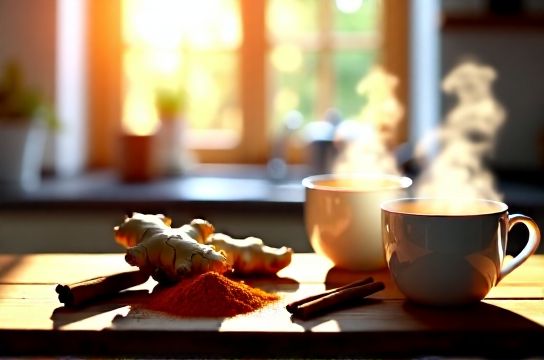
As a holistic health blogger who’s spent years diving into traditional medicine systems like Traditional Chinese Medicine (TCM) and Ayurveda, I’ve seen firsthand how powerful herbs can be in improving circulation and generating internal warmth. And guess what? Modern science is starting to back it up.
One of the main culprits behind chronically cold hands and feet is poor peripheral circulation. Conditions like Raynaud’s phenomenon, low blood pressure, or even just a sluggish metabolism can contribute. Instead of relying solely on external fixes, why not warm up from within?
Top Warming Herbs That Actually Work
These aren’t just kitchen spices—they’re potent circulatory stimulants backed by both tradition and research:
| Herb | Traditional Use | Active Compounds | Scientific Support |
|---|---|---|---|
| Ginger (Zingiber officinale) | Improves qi and blood flow | Gingerol, shogaol | Shown to increase thermogenesis and circulation |
| Cayenne Pepper (Capsicum annuum) | Stimulates blood flow | Capsaicin | Demonstrated to dilate blood vessels and improve microcirculation |
| Cinnamon (Cinnamomum verum) | Warms the body and improves yang energy | Cinnamaldehyde | Linked to improved blood flow and reduced vascular resistance |
| Angelica sinensis (Dang Gui) | Blood tonic in TCM | Ligustilide | Clinical studies show enhanced peripheral circulation |
Yes, something as simple as adding fresh ginger tea to your morning routine can make a noticeable difference. In one small study, participants who consumed 2 grams of ginger daily reported feeling warmer within two weeks.
How to Use These Herbs Daily
- Morning Boost: Steep fresh ginger slices and cinnamon stick in hot water for 10 mins. Add a pinch of cayenne if you’re brave!
- Meals: Use warming spices liberally in soups, stews, and stir-fries.
- Supplements: Dang Gui is best taken as a capsule or tincture under guidance—especially if you’re on blood thinners.
Consistency matters. These herbs work cumulatively, so don’t expect overnight miracles. But after 3–4 weeks, many people notice their socks stay dry and fingers stop turning blue in the cold.
And here’s a pro tip: pair herbal use with movement. Even light exercise boosts the natural remedy for cold extremities effect by getting blood pumping where it’s needed most.
Bottom line? Your spice rack might hold the key to staying warm all winter—no prescription required.