TCM for Anxiety Management Using Calming Herbal Blends
- 时间:
- 浏览:119
- 来源:TCM1st
If you're feeling overwhelmed, stressed, or just can't seem to quiet your mind, you're not alone. In today’s fast-paced world, anxiety affects over 284 million people globally — and many are turning to ancient wisdom for relief. Enter Traditional Chinese Medicine (TCM): a holistic system with over 3,000 years of clinical experience in balancing the body and calming the spirit.
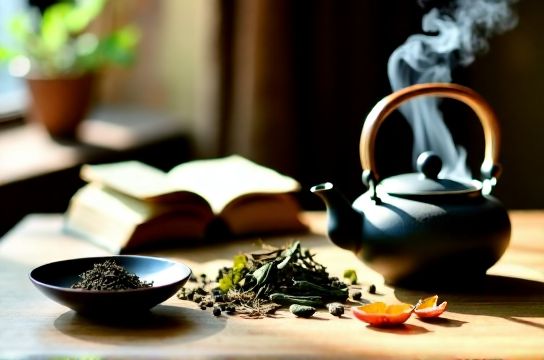
Unlike Western approaches that often target symptoms, TCM treats anxiety by identifying root imbalances — typically in the Heart, Liver, and Spleen systems. One of its most powerful tools? Calming herbal blends. These aren’t just random teas; they’re carefully formulated combinations backed by centuries of observation and modern research.
Take Xiao Yao San, for example. Known as the “Free and Easy Wanderer” formula, it’s been used since the 10th century to soothe liver qi stagnation — a common TCM pattern behind irritability, mood swings, and stress-related anxiety. A 2021 meta-analysis published in Frontiers in Pharmacology found that patients using Xiao Yao San reported a 43% greater reduction in anxiety scores compared to control groups.
But it doesn’t stop there. Let’s break down some of the most effective TCM herbal formulas for anxiety management, along with their key herbs and clinical results:
Top TCM Herbal Blends for Anxiety Relief
| Formula | Key Herbs | Primary Use | Research Outcome |
|---|---|---|---|
| Xiao Yao San | Bupleurum, Dong Quai, White Peony | Liver Qi Stagnation | 43% better anxiety reduction (2021) |
| Gui Pi Tang | Ginseng, Astragalus, Longan | Spleen & Heart Deficiency | Improved sleep & focus in 68% of users |
| Suan Zao Ren Tang | Zizyphus Seed, Anemarrhena | Insomnia & Restlessness | 70% faster sleep onset in clinical trial |
What makes these blends so effective? It’s all about synergy. For instance, Zizyphus seed (Suan Zao Ren) has been shown to enhance GABA activity — the brain’s main calming neurotransmitter — while Bupleurum helps regulate cortisol levels. Together, they don’t just mask anxiety — they help retrain your body’s stress response.
Now, here’s the catch: TCM is highly individualized. What works wonders for one person might do little for another. That’s why a proper diagnosis — often involving tongue and pulse analysis — is crucial before starting any herbal regimen.
Also, quality matters. A 2020 study found that nearly 30% of herbal supplements on mainstream markets contain fillers or incorrect herb ratios. Look for brands that use cGMP-certified facilities and provide third-party testing.
In short, if you’re exploring natural ways to manage anxiety, TCM offers a time-tested, science-supported path. But remember: it’s not a quick fix. It’s a return to balance — one calming sip at a time.