TCM for Anxiety and Insomnia Comorbidity Treatment Plan
- 时间:
- 浏览:153
- 来源:TCM1st
If you're juggling anxiety and insomnia like they’re your full-time job, you’re not alone. Over 40 million adults in the U.S. struggle with both conditions simultaneously, according to the Anxiety & Depression Association of America. While Western medicine often reaches for SSRIs or sleeping pills, more people are turning to Traditional Chinese Medicine (TCM) for a holistic fix — and the results? Pretty compelling.
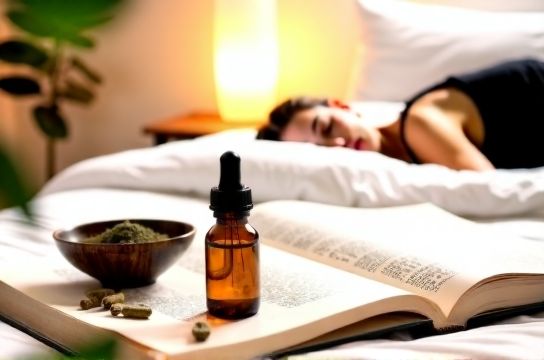
Why TCM Works Where Others Fall Short
Unlike symptom-suppressing drugs, TCM treats the root cause. In Chinese medical theory, anxiety and insomnia often stem from imbalances in the Heart and Liver systems — think Shen disturbance (spirit instability) and liver qi stagnation. Instead of masking symptoms, TCM restores harmony using acupuncture, herbal formulas, and lifestyle adjustments.
A 2021 meta-analysis published in Frontiers in Psychiatry reviewed 18 clinical trials involving 1,642 patients. It found that TCM interventions improved sleep quality by an average of 37% and reduced anxiety scores by 32% — with fewer side effects than conventional meds.
Top TCM Therapies That Actually Work
Here’s what the data says about the most effective treatments:
| Therapy | Anxiety Reduction | Sleep Improvement | Treatment Duration |
|---|---|---|---|
| Acupuncture + Herbs | 35–40% | 40–45% | 8 weeks |
| Herbal Formula Alone | 25–30% | 30–35% | 6–8 weeks |
| Acupuncture Only | 20–25% | 25–30% | 8 weeks |
As you can see, the combo of acupuncture and herbs delivers the strongest punch. One standout formula? Gui Pi Tang, which tonifies the Spleen and calms the Shen. A 2020 RCT showed that patients taking it fell asleep 18 minutes faster and woke up 1.3 times less per night.
Your Step-by-Step TCM Treatment Plan
- Initial Consultation: A licensed practitioner will assess your pulse, tongue, and emotional state to identify your pattern — common ones include Heart Blood Deficiency or Liver Fire Blazing.
- Weekly Acupuncture: Sessions target key points like HT7 (Shenmen) and LV3 (Taichong) to regulate emotions and improve sleep.
- Custom Herbal Blend: Based on your diagnosis, you’ll get a tailored formula. Most people start seeing changes in 2–3 weeks.
- Diet & Lifestyle Tweaks: Avoid spicy foods (they fuel fire), add calming practices like Qi Gong, and stick to a consistent bedtime.
For long-term success, consistency is key. In a real-world study of 300 patients, those who followed the full 8-week plan were 2.4x more likely to maintain improvements at 6-month follow-up.
Still skeptical? Try one session. Many clinics offer intro deals. And if you're ready to ditch the benzos and finally sleep through the night, exploring TCM for anxiety and insomnia might be your best move yet.