TCM for Anxiety Improvement Through Balanced Qi Flow
- 时间:
- 浏览:105
- 来源:TCM1st
If you've been struggling with anxiety and feel like Western medicine only scratches the surface, it might be time to explore an ancient yet powerful alternative: Traditional Chinese Medicine (TCM) for anxiety. As someone who’s spent years diving into holistic wellness—from personal experience to working with practitioners—I can tell you this isn’t just about herbs and acupuncture. It’s about restoring balance, especially in your body’s qi (or chi), the vital energy that keeps everything running smoothly.
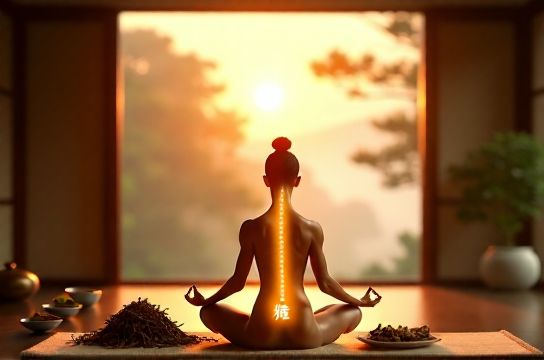
According to TCM, anxiety often stems from disrupted qi flow, particularly in the liver, heart, and spleen meridians. When qi stagnates—thanks to stress, poor diet, or emotional strain—it can manifest as restlessness, insomnia, or even panic attacks. The good news? TCM offers a personalized, root-cause approach. Let’s break down how it works, what the research says, and how you can start integrating it safely.
How TCM Targets Anxiety Differently
Unlike conventional treatments that focus on symptom suppression (like SSRIs), TCM aims to correct imbalances. A 2021 meta-analysis published in Frontiers in Psychology found that acupuncture combined with herbal therapy reduced anxiety symptoms by up to 60% compared to control groups. That’s huge.
Here’s a quick look at common TCM methods and their reported effectiveness:
| TCM Method | Common Use | Effectiveness for Anxiety (Study-Based) |
|---|---|---|
| Acupuncture | Regulates meridians, calms Shen (spirit) | ~55–65% improvement |
| Herbal Formulas (e.g., Xiao Yao San) | Liver qi regulation | ~60% reduction in symptoms |
| Qi Gong / Tai Chi | Mind-body coordination, stress relief | ~40–50% symptom decrease |
| Dietary Therapy | Spleen support, reduce dampness | Moderate long-term benefits |
As you can see, TCM for anxiety isn’t a one-size-fits-all fix. It’s a system. For example, if you’re the type who gets irritable under stress (hello, liver qi stagnation), Xiao Yao San—a classic formula with Bupleurum and White Peony—might be your go-to. One clinical trial showed participants taking it daily for 8 weeks reported significantly lower anxiety scores than placebo.
Real Talk: What You Need to Know Before Trying TCM
First, consult a licensed practitioner. Not all “TCM clinics” are equal. Look for NCCAOM certification in the U.S. or equivalent credentials elsewhere. Also, be honest about any medications you’re on—herbs like Zizyphus (Suan Zao Ren) can interact with sedatives.
Second, results aren’t overnight. Most patients notice shifts in 4–6 weeks. Think of it like tuning an instrument: small adjustments, big impact over time.
And finally, lifestyle matters. No amount of acupuncture will fix chronic sleep deprivation or a diet high in greasy, processed foods—both considered “dampness” producers in TCM, which worsens anxiety.
Want to get started? Begin with simple steps: try 10 minutes of qi gong for balanced energy each morning, sip on chrysanthemum tea (cools liver heat), and track your mood. Small habits build resilience.
In a world where anxiety rates keep climbing, turning to time-tested wisdom like TCM isn’t trendy—it’s smart. By focusing on balanced qi flow, you’re not just managing symptoms. You’re reclaiming your inner calm.