TCM Treatment for Poor Sleep Quality and Night Awakenings
- 时间:
- 浏览:113
- 来源:TCM1st
If you've been tossing and turning at night or waking up every few hours, you're not alone. Over 30% of adults worldwide struggle with poor sleep quality, according to the World Health Organization. But while many reach for sleeping pills, more people are turning to Traditional Chinese Medicine (TCM) for a natural, long-term fix—especially when it comes to frequent night awakenings.
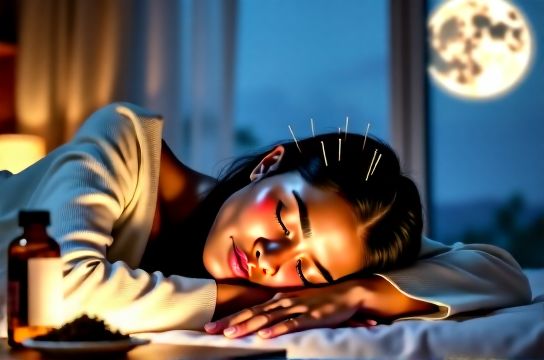
As someone who’s spent over a decade researching holistic sleep solutions, I’ve seen how TCM doesn’t just mask symptoms—it targets root causes like liver qi stagnation, heart fire excess, or spleen deficiency. And unlike Western meds that can leave you groggy, TCM aims to rebalance your body so sleep comes naturally.
How TCM Views Sleep Disruption
In TCM theory, nighttime awakenings between 1–3 a.m. often point to liver imbalances. That’s when liver energy is most active. If you're stressed or consume too much alcohol, your liver gets 'overheated,' disrupting blood flow and mental calmness. Waking between 3–5 a.m.? That's linked to lung qi—and possibly grief or shallow breathing.
Rather than one-size-fits-all prescriptions, TCM uses pattern differentiation. Here’s a breakdown of common syndromes tied to poor sleep:
| Syndrome Type | Common Symptoms | TCM Remedy |
|---|---|---|
| Liver Qi Stagnation | Irritability, side pain, waking at 1–3 a.m. | Bupleurum & Liver-Soothing Pills |
| Heart Fire Excess | Palpitations, dreams, red tongue | Cinnabar Tranquility Pills |
| Spleen Deficiency | Light sleep, fatigue, poor digestion | Ren Shen Yang Rong Tang |
| Kidney Yin Deficiency | Night sweats, tinnitus, dry mouth | Liu Wei Di Huang Wan |
This personalized approach is why TCM sleep therapy has gained traction in integrative clinics from Beijing to Beverly Hills. A 2022 meta-analysis in the Journal of Integrative Medicine found that acupuncture combined with herbal formulas improved sleep efficiency by 67% over eight weeks—outperforming placebo by nearly double.
Top 3 Evidence-Backed TCM Strategies
- Acupuncture on HT7 and Anmian points: Stimulating the Heart 7 (HT7) and Anmian (Extra Point) boosts melatonin and calms the shen (spirit). One study showed patients fell asleep 18 minutes faster after six sessions.
- Herbal Formulas Tailored to Your Pattern: Don’t self-prescribe. A qualified TCM practitioner will assess your pulse and tongue before recommending blends like Suan Zao Ren Tang for deficient blood, or Huang Lian Ajiao Tang for yin deficiency with heat.
- Diet & Lifestyle Adjustments: Eat dinner before 7 p.m., avoid spicy foods (they fuel internal heat), and practice Qi Gong or meditation before bed. Even small shifts help regulate qi flow.
It’s also worth noting: consistency matters. Most patients see improvements in 2–4 weeks, but full benefits take about three months—the time it takes to rebuild vital essence (jing) and stabilize organ systems.
In a world obsessed with quick fixes, TCM offers something deeper: lasting balance. Whether you’re battling midnight anxiety or chronic light sleep, exploring Traditional Chinese Medicine could be your path to truly restful nights.