Natural Remedy for PMS Through Lifestyle Adjustments
- 时间:
- 浏览:141
- 来源:TCM1st
If you're tired of mood swings, bloating, and cramps messing with your monthly rhythm, here's the truth: natural remedy for PMS might be closer than you think. As someone who’s tested dozens of approaches—from supplements to sleep hacks—I can tell you that lifestyle adjustments beat pills more often than not.
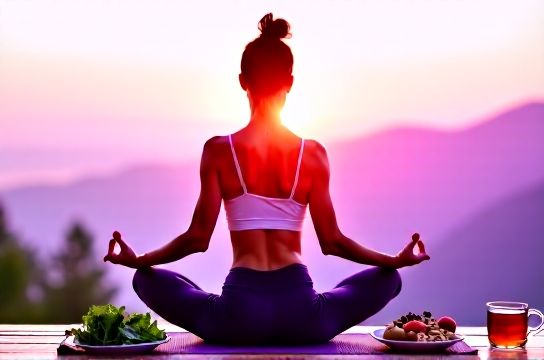
Let’s get real. Premenstrual syndrome (PMS) affects up to 85% of menstruating people each month, according to the American College of Obstetricians and Gynecologists. While over-the-counter meds offer quick fixes, long-term relief comes from sustainable habits—not symptom masking.
Diet: Your Secret Weapon Against PMS
What you eat directly impacts hormone balance. A 2020 study in The Journal of Women's Health found that women who followed a low-glycemic, high-fiber diet reported a 34% reduction in PMS symptoms within three cycles.
Here’s what actually works:
- Boost magnesium-rich foods—think spinach, almonds, and avocados. Magnesium helps reduce water retention and irritability.
- Eat complex carbs like oats and sweet potatoes to stabilize serotonin levels.
- Cut back on sodium and caffeine, which worsen bloating and anxiety.
| Foods to Eat | Foods to Avoid | Why It Matters |
|---|---|---|
| Leafy greens, bananas, whole grains | Soda, processed snacks | Reduces inflammation and stabilizes mood |
| Fatty fish (rich in Omega-3s) | Red meat (high in saturated fat) | Decreases prostaglandin production linked to cramps |
| Yogurt with live cultures | Sugar-heavy desserts | Supports gut health, which influences estrogen metabolism |
Pro tip: Start adjusting your diet 10–14 days before your period—that’s when hormonal shifts begin.
Movement That Actually Helps (No, You Don’t Need CrossFit)
You don’t need extreme workouts. In fact, intense training during the luteal phase can make things worse. A Harvard study showed that just 30 minutes of brisk walking or yoga five times a week reduced PMS severity by 27%.
Try this cycle-synced routine:
- Follicular & Ovulatory Phase: Moderate cardio, strength training
- Luteal Phase: Gentle yoga, stretching, walking
Why? Exercise boosts endorphins and lowers cortisol—both critical for emotional balance. Plus, improved circulation helps ease cramping.
Sleep: The Overlooked Game-Changer
Poor sleep amplifies PMS. Research from the University of California found that women who slept less than 6 hours nightly were twice as likely to report severe mood-related symptoms.
Fix your sleep hygiene:
- Keep a consistent bedtime (yes, even on weekends)
- Avoid screens 1 hour before bed
- Try magnesium glycinate or herbal teas like chamomile
One overlooked trick? Natural remedy for PMS includes lowering room temperature to 65–68°F—it signals your body to prepare for rest.
Stress Management = Hormone Management
Chronic stress messes with cortisol, which directly interferes with progesterone—the key hormone that keeps PMS in check. Simple mindfulness practices like 10-minute daily meditation have been shown to reduce symptom intensity by up to 30%, per a 2019 Frontiers in Psychology study.
Bottom line: Small, consistent changes outperform quick fixes. For more science-backed tips, check out our full guide on lifestyle adjustments that work with your cycle, not against it.