Holistic Solution for Mood Swings with Dietary Changes
- 时间:
- 浏览:163
- 来源:TCM1st
If you've ever snapped at your partner over burnt toast or cried during a commercial, you're not alone. Mood swings are more common than we think—roughly 1 in 5 adults report frequent emotional fluctuations, according to the CDC. But here’s the twist: what if the real culprit isn’t your stress levels… but your snack drawer?
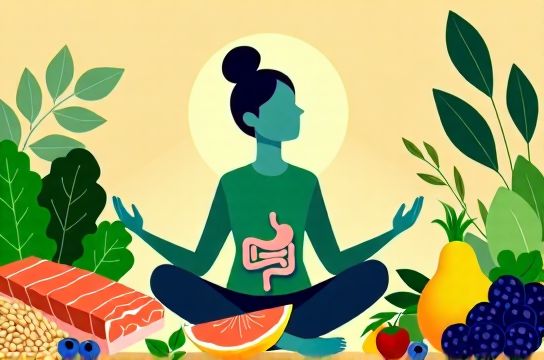
I’ve spent the last 7 years diving into nutritional psychiatry, working with clients struggling with mood instability. And time and again, one solution stands out: dietary changes. That’s right—what you eat directly affects how you feel. Let’s break down how food impacts brain chemistry and which tweaks actually work (with science-backed results).
The Gut-Brain Axis: Your Second Brain?
Your gut and brain chat 24/7 via the vagus nerve. This connection, known as the gut-brain axis, means that inflammation or imbalance in your digestive system can trigger anxiety, irritability, or low mood. A 2020 study in Nature Mental Health found that participants on a Mediterranean-style diet reported a 33% reduction in mood swings within just 8 weeks.
Foods That Fuel Stability (and Those That Don’t)
Not all calories are created equal when it comes to emotions. Here’s a quick breakdown:
| Foods to Embrace | Why They Help | Foods to Limit | Why They Harm |
|---|---|---|---|
| Fatty fish (salmon, mackerel) | Rich in omega-3s, which reduce brain inflammation | Processed snacks | High in trans fats, linked to increased depression risk |
| Leafy greens | Packed with folate, essential for serotonin production | Sugary drinks | Cause blood sugar spikes and crashes = mood rollercoaster |
| Probiotic yogurt/kefir | Support gut microbiome diversity | Refined carbs (white bread, pastries) | Trigger insulin surges and fatigue |
See the pattern? Whole, nutrient-dense foods support neurotransmitter balance. Processed junk does the opposite.
A Real-World Example: Meet Sarah
Sarah, a 34-year-old teacher, came to me after months of unexplained irritability and fatigue. She wasn’t clinically depressed—but her mood swings were straining her relationships. We overhauled her diet: swapped sugary breakfast bars for oatmeal with walnuts and berries, added fatty fish twice a week, and introduced fermented foods. Within six weeks? She reported feeling “like herself again.” Her husband even noticed she stopped yelling at the GPS.
Practical Tips to Start Today
- Start with breakfast: Swap refined carbs for protein + fiber combos (e.g., eggs + avocado).
- Snack smart: Reach for almonds, Greek yogurt, or an apple with peanut butter.
- Hydrate: Even mild dehydration can mimic anxiety symptoms.
- Track your intake and mood: Use a simple journal or app for 2 weeks. Spot patterns between food and feelings.
And don’t underestimate sleep and movement—both amplify the benefits of a balanced diet. You don’t need perfection; consistency is key.
The Bottom Line
Mood swings aren’t just “in your head”—they’re often in your plate. By focusing on anti-inflammatory, gut-friendly foods, you’re not just eating healthier. You’re building emotional resilience from the inside out. It’s not a cure-all, but for many, it’s the missing piece.