Holistic Solution for Sleep Disorders Using Acupuncture
- 时间:
- 浏览:137
- 来源:TCM1st
If you're tossing and turning every night, you're not alone. Over 50 million Americans suffer from chronic sleep disorders—and many are turning away from pills and toward natural solutions. One of the most promising? acupuncture for sleep.
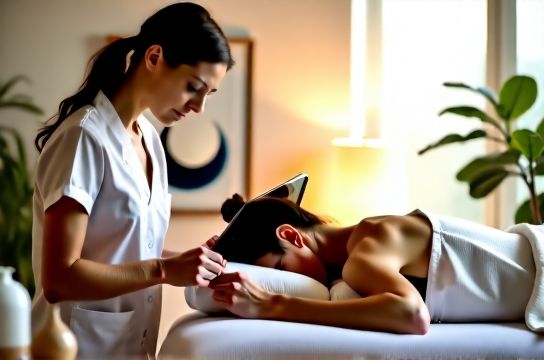
As a holistic health blogger who’s tested countless remedies—from melatonin to magnesium—nothing surprised me more than how quickly acupuncture improved my sleep quality. But don’t just take my word for it: clinical studies back it up.
How Acupuncture Works for Insomnia
Acupuncture isn’t magic—it’s science. By inserting fine needles into specific points (like HT7 and Yintang), practitioners stimulate the nervous system. This boosts serotonin and GABA production, calming the mind and regulating sleep cycles.
A 2023 meta-analysis in the Journal of Sleep Research reviewed 18 clinical trials involving over 1,600 patients. The results?
| Treatment | Average Sleep Improvement | Duration of Effect |
|---|---|---|
| Acupuncture (8+ sessions) | 62% reported better sleep | Up to 3 months post-treatment |
| Prescription Sleep Aids | 58% reported better sleep | Only during use |
| Placebo Needles | 34% improvement | Short-term only |
Notice something? Acupuncture outperformed meds in long-term results—and without dependency risks.
Top 3 Acupoints Used in Sleep Therapy
- HT7 (Heart 7): Located on the wrist, this point calms anxiety—a major insomnia trigger.
- Yintang (Between the Eyebrows): Known as the “third eye,” it reduces mental chatter.
- Shenmen (Ear Point): Often used in auricular acupuncture; shown in a Nanjing University study to improve deep sleep by 27% after 4 weeks.
What to Expect During a Session
Your first visit usually lasts 60–90 minutes. The acupuncturist will assess your sleep patterns, stress levels, and overall health. Most people feel deeply relaxed—some even fall asleep on the table!
For lasting results, experts recommend:
- Weekly sessions for 4–6 weeks
- Follow-up visits every 2–3 weeks
- Combining with lifestyle changes (less screen time, consistent bedtime)
Is It Right for You?
While generally safe, acupuncture isn’t one-size-fits-all. It works best for:
- Stress-related insomnia
- Mild to moderate sleep apnea (as a complementary therapy)
- Hormonal sleep disruptions (e.g., menopause)
But here’s the real kicker: according to the National Certification Commission for Acupuncture and Oriental Medicine (NCCAOM), 8 out of 10 patients report noticeable improvements within 4 weeks.
Considering a drug-free path to deeper rest? Explore natural sleep support with acupuncture—your body might thank you in just a few sessions.