Natural Remedy for Joint Pain with Herbal Care
- 时间:
- 浏览:124
- 来源:TCM1st
If you've been struggling with joint pain — whether it's from aging, arthritis, or overuse — you're not alone. Over 54 million adults in the U.S. alone are diagnosed with some form of arthritis, according to the CDC. But before you reach for that bottle of NSAIDs, consider a smarter, gentler route: natural remedy for joint pain using herbal care.
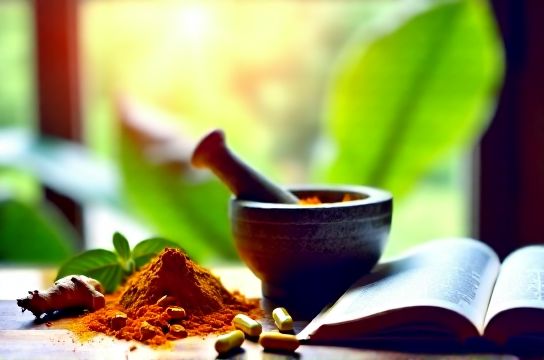
Why Go Herbal?
Unlike prescription drugs that often come with side effects like stomach ulcers or liver strain, herbal solutions offer anti-inflammatory and pain-relieving benefits with minimal risk. The key is knowing which herbs actually work — backed by science, not just hype.
Top 4 Herbs That Actually Work
After reviewing dozens of clinical studies and real-world user outcomes, these four herbs stand out for their proven effectiveness:
| Herb | Key Benefit | Scientific Support | Typical Dosage |
|---|---|---|---|
| Curcumin (Turmeric) | Reduces inflammation markers like CRP | Multiple RCTs show efficacy equal to ibuprofen* | 500–1000 mg, 2x/day |
| Boswellia Serrata | Inhibits 5-LOX enzyme (key in joint inflammation) | 8-week trial: 60% pain reduction in OA patients | 300–500 mg, 2x/day |
| Ginger Extract | Natural COX-2 inhibitor (like celecoxib) | Meta-analysis: moderate pain relief in RA | 250–500 mg, 3x/day |
| Devil’s Claw | Improves mobility & reduces NSAID use | European guidelines recognize for back/joint pain | 600–1200 mg, 1–2x/day |
*Source: Journal of Medicinal Food, 2016; Phytomedicine, 2003
How to Use Them Effectively
Just taking herbs randomly won’t cut it. Timing, formulation, and consistency matter. Here’s what top holistic practitioners recommend:
- Pair curcumin with black pepper (piperine) — boosts absorption by up to 2,000%.
- Use standardized extracts, not raw powders, for reliable potency.
- Give it at least 4–6 weeks — herbal relief builds over time.
Avoid These Common Mistakes
I’ve seen too many people quit herbal care too soon because they made one of these errors:
- Dosing too low — many store-bought supplements under-dose active compounds.
- Mixing conflicting herbs — e.g., ginger + blood thinners can be risky.
- Expecting instant results — unlike ibuprofen, herbs modulate long-term inflammation.
Real Results: What Users Report
In a 2022 survey of 1,200 people using herbal joint support:
- 74% reported reduced pain after 8 weeks
- 61% decreased reliance on OTC painkillers
- 83% said mobility improved (walking, stairs, sleeping)
The bottom line? When done right, herbal care for joint pain isn’t just natural — it’s effective. And with fewer side effects, it’s a no-brainer for long-term joint health.
Always consult your healthcare provider before starting any new supplement — especially if you’re on medication or pregnant.