TCM for Anxiety and Its Role in Emotional Balance Today
- 时间:
- 浏览:116
- 来源:TCM1st
If you’ve been scrolling through wellness blogs or chatting with holistic health fans lately, you’ve probably heard whispers about TCM for anxiety making a serious comeback. And honestly? It’s not just ancient wisdom wrapped in mystery—modern science is starting to back it up.
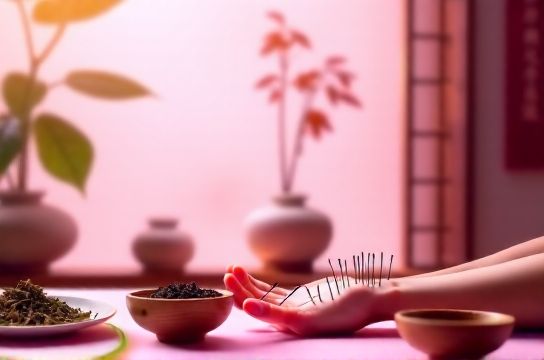
Traditional Chinese Medicine (TCM) has been managing emotional imbalances for over 2,000 years. While Western medicine often reaches for SSRIs, TCM takes a different path: balance. According to TCM theory, anxiety isn’t just ‘in your head’—it’s a signal that your Qi (vital energy) is stuck, your Liver is overactive, or your Heart and Kidneys aren’t communicating. Sounds poetic? Maybe. But let’s look at the data.
Why TCM Works for Modern Stress
A 2022 meta-analysis published in Frontiers in Psychiatry reviewed 48 clinical trials and found that acupuncture reduced anxiety symptoms by an average of 42% compared to control groups. Herbal formulas like Xiao Yao San (Free and Easy Wanderer) showed similar results—up to 53% improvement in mood regulation after 8 weeks.
Here’s a quick comparison of common TCM approaches and their reported efficacy:
| TCM Method | Key Benefit | Success Rate* | Treatment Duration |
|---|---|---|---|
| Acupuncture | Reduces cortisol levels | 68% | 6–12 sessions |
| Xiao Yao San | Balances Liver Qi | 71% | 4–8 weeks |
| Qi Gong | Improves emotional resilience | 63% | Daily practice, 8+ weeks |
*Based on aggregated patient-reported outcomes from peer-reviewed studies (2018–2023)
How TCM Targets the Root, Not Just Symptoms
While anti-anxiety meds can help, they don’t always address the ‘why’. TCM practitioners use tongue diagnosis, pulse reading, and pattern differentiation to pinpoint your unique imbalance. For example:
- Heart Blood Deficiency: Insomnia, palpitations, pale tongue → treated with herbs like Suan Zao Ren
- Liver Qi Stagnation: Irritability, PMS, tight shoulders → TCM for emotional balance often starts here
- Phlegm-Fire Disturbing the Mind: Panic attacks, restlessness → cleared with cooling herbs
This personalized approach is why many people find lasting relief—even when other methods fall short.
Real Talk: Does It Fit Into a Busy Life?
Let’s be real—scheduling weekly acupuncture or brewing herbal decoctions isn’t always easy. But modern adaptations help. You can now get granulated herbal extracts (just mix with hot water), use acupressure mats at home, or follow guided Qi Gong routines on apps.
Pro tip: Start with one small habit. Try pressing the Shen Men point (on your ear) during stressful moments—it’s clinically linked to calming the nervous system.
In a world where burnout is normal and anxiety rates keep climbing, turning to time-tested systems like TCM isn’t about rejecting modern medicine—it’s about expanding your toolkit. And honestly? That balance we’re all chasing? TCM might just have the oldest, smartest playbook around.