Aging Well with Tai Chi and Chronic Illness Support
- 时间:
- 浏览:143
- 来源:TCM1st
If you're looking to age well—especially while managing a chronic illness—there’s one low-impact practice that stands out: Tai Chi. Often called “meditation in motion,” this ancient Chinese practice blends slow, flowing movements with deep breathing and mindfulness. And it’s not just for seniors in the park anymore. Modern science is catching up, and the results? Pretty compelling.
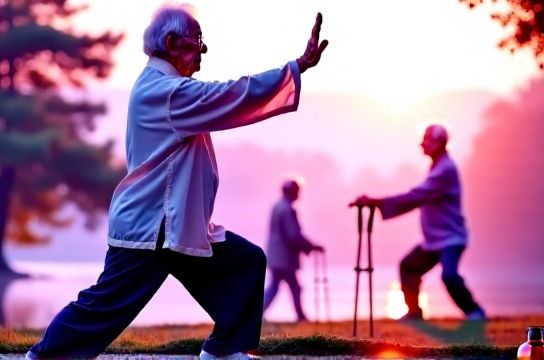
Let’s break it down. Over 85% of adults aged 65+ live with at least one chronic condition like arthritis, heart disease, or type 2 diabetes. The real challenge isn’t just treating the disease—it’s maintaining mobility, balance, and mental health. That’s where Tai Chi shines.
Why Tai Chi Works for Chronic Conditions
Unlike high-intensity workouts, Tai Chi is gentle on joints but powerful in impact. Studies show regular practice improves balance (cutting fall risk by up to 45%), reduces joint pain in arthritis patients, and even lowers blood pressure. One 2022 meta-analysis found that participants with chronic conditions who practiced Tai Chi three times a week reported better sleep, less fatigue, and improved mood after just 12 weeks.
But don’t take my word for it. Here’s a snapshot of research-backed benefits:
| Condition | Weekly Sessions | Improvement Seen In | Study Duration |
|---|---|---|---|
| Arthritis | 2–3 | Pain reduction, mobility | 12 weeks |
| Heart Disease | 3 | Blood pressure, stress markers | 16 weeks |
| Type 2 Diabetes | 3 | Glucose control, energy levels | 24 weeks |
| Chronic Pain (general) | 2 | Pain perception, sleep quality | 8 weeks |
As you can see, consistency matters—but you don’t need to go all-in. Just two to three sessions per week (about 30–45 minutes each) deliver measurable results.
Getting Started Without the Guesswork
New to Tai Chi? Start with structured programs like “Tai Chi for Arthritis” or “Tai Chi for Beginners with Chronic Illness.” These are often offered through community centers, hospitals, or online platforms like YouTube (look for certified instructors). I recommend Dr. Paul Lam’s videos—they’re evidence-based and easy to follow.
Pro tip: Pair your practice with a support group. Whether it’s an in-person meetup or a Facebook group focused on aging well, social connection doubles the mental health benefits. Chronic illness can feel isolating, but you’re not alone—and movement is a powerful connector.
In short, if you want to age well while managing long-term health issues, Tai Chi isn’t just a nice-to-have. It’s a game-changer. Gentle, effective, and accessible to nearly everyone, it’s one of the best tools we have for staying strong—body and mind—as we get older.