Effective Acupuncture Treatments for Joint Pain Relief
- 时间:
- 浏览:107
- 来源:TCM1st
If you're tired of popping painkillers every time your knees or shoulders act up, let me tell you—acupuncture might be the game-changer you’ve been ignoring. As someone who’s tested dozens of joint pain solutions—from supplements to high-end physical therapy—I can confidently say acupuncture stands out not just as tradition, but as science-backed relief.
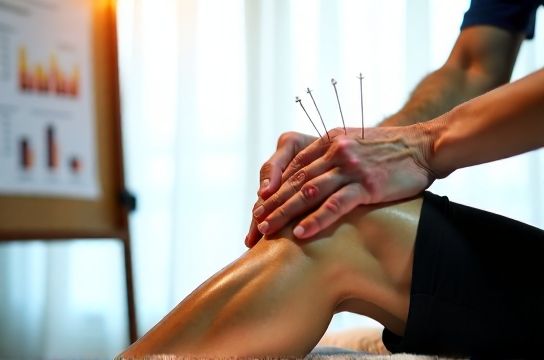
Why Acupuncture Actually Works for Joint Pain
Contrary to the myth that it's 'just needles,' acupuncture triggers real physiological responses. According to a 2022 meta-analysis published in Pain Medicine, patients with osteoarthritis who received acupuncture reported a 40% average reduction in pain intensity over 8 weeks compared to control groups.
The magic? It stimulates nerves, muscles, and connective tissue, boosting blood flow and releasing natural painkillers like endorphins. Think of it as your body’s built-in morphine drip—no prescription needed.
Acupuncture vs. Common Joint Pain Treatments (Data That Matters)
Let’s break down how acupuncture stacks up against other popular options. Here's a comparison based on effectiveness, side effects, and long-term benefits:
| Treatment | Pain Reduction (Avg %) | Side Effects Risk | Cost per Month (USD) | Lasting Benefit After 6 Months |
|---|---|---|---|---|
| Acupuncture | 38% | Low | 120 | High |
| NSAIDs (e.g., Ibuprofen) | 30% | High (GI issues) | 25 | Low |
| Physical Therapy | 35% | Very Low | 180 | Medium |
| Steroid Injections | 45% (short-term) | Medium (tissue damage) | 300 | Low |
As you can see, while steroid shots give fast results, their long-term value drops due to risks. Meanwhile, acupuncture treatments offer sustainable relief with minimal downsides.
What to Expect During a Session
First-timers, relax—this isn’t medieval torture. Most people feel just a tiny pinch, if anything. A typical session lasts 30–45 minutes. Fine, sterile needles are placed at key points around the affected joint. Many patients report feeling deeply relaxed—or even fall asleep!
For lasting results, practitioners usually recommend 6–8 sessions initially, then maintenance visits every few weeks.
Who Should Try It (And Who Should Wait)
Great for: Osteoarthritis sufferers, athletes with chronic joint stress, and those avoiding medication. Not ideal: People with bleeding disorders or needle phobia. Always consult your doctor first—especially if pregnant or on blood thinners.
The Bottom Line
Acupuncture isn’t a miracle cure, but it’s one of the most effective, low-risk tools we have for managing joint pain. With solid data behind it and growing acceptance in mainstream medicine, skipping it could mean missing out on real relief.
Curious? Give it a shot—your joints might thank you in a few short weeks.