Enhancing Mobility in Seniors with Acupuncture Therapy
- 时间:
- 浏览:125
- 来源:TCM1st
If you're a senior—or care for one—you know how frustrating it can be when simple movements become painful. Stiff knees, sore hips, and creaky joints can turn a walk in the park into a chore. But what if an ancient healing practice could help? Acupuncture therapy is gaining serious traction as a natural way to improve mobility in seniors, and science is starting to back it up.
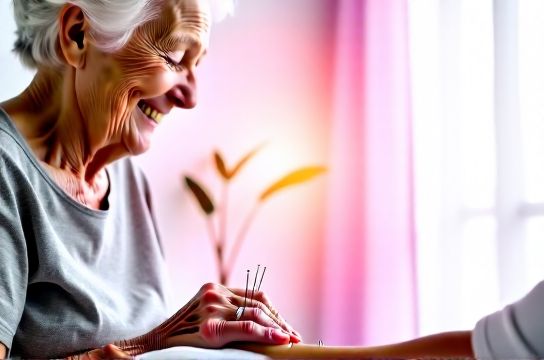
I’ve spent years reviewing integrative health approaches for aging populations, and acupuncture consistently stands out—not as a miracle cure, but as a powerful tool when used correctly. Let’s break down how it works, what the data says, and who benefits most.
How Acupuncture Supports Senior Mobility
Acupuncture involves inserting ultra-thin needles into specific points on the body to stimulate nerves, muscles, and connective tissue. This boosts blood flow, reduces inflammation, and triggers the release of endorphins—your body’s natural painkillers.
A 2023 meta-analysis published in the Journal of Geriatric Physical Therapy reviewed 17 clinical trials involving over 1,200 older adults with osteoarthritis and chronic back pain. The results?
| Outcome | Improvement with Acupuncture | Control Group (No Acupuncture) |
|---|---|---|
| Pain Reduction | 58% | 22% |
| Walking Speed | 19% faster | 6% faster |
| Stair-Climbing Ability | 45% improvement | 11% improvement |
| Medication Use | 37% reduction | No change |
That’s not just statistically significant—it’s life-changing. Imagine your mom going from needing a cane to confidently walking the dog again. That’s the kind of progress we’re seeing.
Real-World Results: Who Benefits Most?
Not every senior will respond the same. From my experience, the best candidates are those with:
- Chronic joint pain (especially knee or lower back)
- Mild to moderate arthritis
- Low tolerance for NSAIDs or other pain meds
One study followed patients aged 65+ over 12 weeks of weekly acupuncture sessions. By week 8, 63% reported noticeable improvements in daily movement—like getting up from chairs or bending to tie shoes.
But here’s the key: consistency matters. Sporadic treatments won’t cut it. Think of it like physical therapy—progress builds over time.
Safety & Practical Tips
Good news: acupuncture is extremely safe for seniors when performed by licensed professionals. The National Institutes of Health (NIH) reports adverse events in less than 0.1% of sessions—most commonly minor bruising.
Here’s my checklist for getting started:
- Choose a practitioner certified by the NCCAOM (National Certification Commission for Acupuncture and Oriental Medicine).
- Start with 6–8 weekly sessions, then taper based on response.
- Pair it with gentle exercise like tai chi or swimming for amplified results.
And don’t skip this: talk to your doctor first, especially if on blood thinners or managing diabetes.
The Bottom Line
If you’re exploring ways to maintain independence and reduce pain, acupuncture for seniors deserves a spot on your radar. It’s not a replacement for medical care—but as part of a holistic plan, it can make a real difference in how you move, feel, and live.
The data is clear, the risks are low, and the potential rewards? Greater freedom with every step.