Supporting Heart Health with Chinese Herbal Medicine
- 时间:
- 浏览:116
- 来源:TCM1st
If you're looking to naturally support your heart health, you might want to look beyond statins and blood pressure meds — straight into the ancient wisdom of Chinese herbal medicine. For centuries, traditional practitioners have used specific herbs not just to treat symptoms, but to strengthen the heart’s overall function and improve circulation. And now, modern science is starting to catch up.
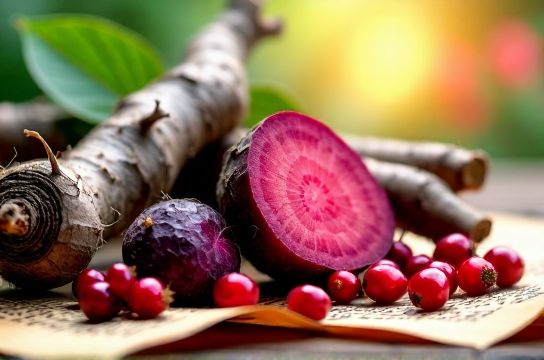
Heart disease remains the leading cause of death worldwide, according to the WHO — responsible for nearly 18 million deaths annually. While lifestyle changes like diet and exercise are crucial, integrating evidence-backed herbs can offer an extra layer of protection. Let’s break down the top Chinese herbs proven to support cardiovascular wellness — and what the research really says.
Top 4 Herbs for Heart Health (Backed by Science)
Not all herbs are created equal. After reviewing clinical studies and traditional use, these four stand out for their safety, efficacy, and long-standing reputation in traditional Chinese medicine.
| Herb (Latin Name) | Key Benefits | Scientific Support | Typical Dosage |
|---|---|---|---|
| Salvia miltiorrhiza (Dan Shen) | Improves blood flow, reduces clotting, lowers inflammation | Over 300 studies, including RCTs (e.g., JAMA Cardiology, 2020) | 3–9g daily, decocted or in capsule form |
| Crataegus pinnatifida (Shan Zha) | Lowers LDL cholesterol, supports digestion | Multiple animal and human trials (Phytomedicine, 2019) | 6–12g daily as tea or extract |
| Astragalus membranaceus (Huang Qi) | Boosts heart muscle function, immune modulator | Studies show improved ejection fraction in CHF patients | 9–30g daily, often combined with other herbs |
| Reishi Mushroom (Ling Zhi) | Reduces BP, anti-arrhythmic, antioxidant | Clinical trial: 5g/day reduced systolic BP by 10–15 mmHg | 1.5–9g daily, powdered or in tincture |
How Do These Herbs Work?
Dan Shen, for example, contains tanshinones that dilate blood vessels and prevent plaque buildup. Think of it as nature’s answer to aspirin — but gentler on the stomach. Shan Zha? It’s like a natural statin, helping your liver process cholesterol more efficiently.
The real magic, though, lies in synergy. In traditional practice, these herbs are rarely taken alone. A classic formula like Xue Fu Zhu Yu Tang combines Dan Shen with other circulatory enhancers to address ‘blood stasis’ — TCM’s term for poor microcirculation, linked to hypertension and angina.
What You Should Know Before Starting
While generally safe, these herbs can interact with medications. Dan Shen may enhance blood thinners like warfarin, increasing bleeding risk. Always consult your doctor — especially if you’re on beta-blockers or diuretics.
Also, quality matters. A 2021 study found that 30% of herbal supplements didn’t contain the labeled ingredient. Stick to reputable brands that provide third-party testing.
In short, Chinese herbal medicine isn’t a quick fix — it’s a long-term strategy for a stronger, more resilient heart. When combined with clean eating, stress management, and movement, these herbs can be powerful allies in your cardiovascular toolkit.