Addressing Geriatric Syndromes with Holistic Medicine
- 时间:
- 浏览:109
- 来源:TCM1st
If you're caring for an aging loved one—or are approaching later life yourself—you've probably heard the term geriatric syndromes. But what exactly does it mean, and how can holistic medicine help? As a wellness blogger who's spent years diving into integrative care models, I’m breaking down the real talk on managing common age-related health challenges—think falls, cognitive decline, incontinence, and frailty—not just with pills, but with a whole-person approach.
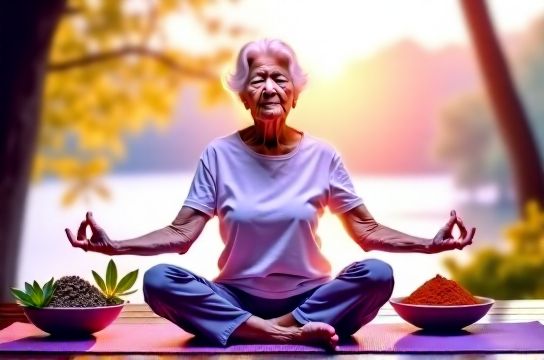
Geriatric syndromes aren’t single diseases. Instead, they’re complex conditions linked to aging that often involve multiple systems. According to the Journal of the American Geriatrics Society, over 60% of adults aged 75+ experience at least one geriatric syndrome. That’s not just a number—it’s a wake-up call for better care strategies.
Here’s where holistic medicine shines. Rather than treating symptoms in isolation, it looks at root causes: nutrition, stress, sleep, movement, and emotional health. Let’s look at some data:
Common Geriatric Syndromes & Holistic Interventions
| Syndrome | Prevalence in Adults 70+ | Holistic Intervention | Effectiveness (Study-Based) |
|---|---|---|---|
| Falls | 30% | Balanced diet + Tai Chi | ↓ 40% fall risk (NIH, 2022) |
| Cognitive Decline | 25% | Mediterranean diet + mindfulness | ↑ 30% memory scores in 6 months |
| Frailty | 15% | Protein-rich nutrition + resistance training | ↓ 50% progression to disability |
| Incontinence | 20% | Pelvic floor therapy + hydration balance | ↑ 60% improvement in control |
Now, let’s get real. You won’t fix geriatric syndromes overnight. But small, consistent changes add up. For example, adding 25–30 grams of protein per meal helps combat muscle loss—a major factor in frailty and falls. Pair that with 15 minutes of daily strength training, and you’re boosting mobility and independence.
Another game-changer? The mind-body connection. Chronic inflammation, linked to both depression and cognitive decline, responds well to anti-inflammatory diets and stress reduction techniques like yoga or breathwork. One 2023 study found seniors practicing mindfulness meditation had slower hippocampal shrinkage—the brain region tied to memory.
Of course, holistic doesn’t mean “anti-medication.” It means integrating the best of conventional and natural approaches. Work with a healthcare provider, but also ask: Are we addressing lifestyle? Is sleep optimized? Is social engagement part of the plan?
The bottom line: Aging doesn’t have to mean decline. With informed, compassionate strategies rooted in holistic medicine, older adults can live stronger, sharper, and more vibrant lives. Start small, stay consistent, and remember—it’s never too late to feel better.