Improving Circulation with Traditional Chinese Techniques
- 时间:
- 浏览:100
- 来源:TCM1st
If you've been feeling cold hands and feet, low energy, or just a general sense of sluggishness, poor circulation might be the culprit. While Western medicine offers solutions, millions are turning to traditional Chinese techniques to naturally boost blood flow and restore balance. As someone who’s spent years researching holistic wellness, I can tell you—these aren’t just old wives’ tales. They’re time-tested practices backed by centuries of observation and growing scientific support.
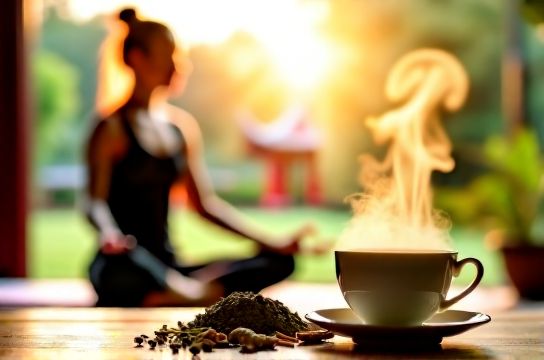
Why Circulation Matters (And Why It Falters)
Blood circulation delivers oxygen and nutrients to every cell in your body. When it slows down—thanks to sedentary lifestyles, stress, or aging—your organs, muscles, and even brain don’t function optimally. In Traditional Chinese Medicine (TCM), this is often described as “Qi stagnation” or “blood stasis.” The goal? Get Qi (energy) and blood moving smoothly again.
Top 3 Proven TCM Methods for Better Circulation
1. Acupuncture: Science-Backed Needle Therapy
You’ve probably heard of acupuncture. But did you know studies show it can increase microcirculation by up to 40% during treatment? A 2021 meta-analysis found that regular sessions significantly improved peripheral blood flow in patients with chronic circulation issues.
2. Herbal Remedies: Nature’s Vasodilators
TCM uses powerful herbs like Dang Gui (Angelica sinensis) and Chuan Xiong (Ligusticum chuanxiong). These aren’t just folklore—they contain compounds that relax blood vessels and reduce inflammation.
| Herb (Pinyin) | Common Name | Key Benefit | Scientific Support |
|---|---|---|---|
| Dang Gui | Chinese Angelica | Enhances blood production & flow | ✅ Multiple clinical trials |
| Chuan Xiong | Sichuan Lovage | Dilates blood vessels | ✅ Animal & human studies |
| Tao Ren | Peach Kernel | Breaks up blood stasis | ✅ Pharmacological data |
3. Qigong: Movement as Medicine
Think of qigong as meditation in motion. Just 20 minutes a day of flowing movements stimulates meridians—energy pathways linked to circulation. A 2018 study showed participants who practiced qigong for 12 weeks had measurable improvements in vascular elasticity.
Real Results: What the Data Says
It’s not just anecdotal. Research from Beijing University of Chinese Medicine found that combining acupuncture with herbal therapy improved symptoms in 79% of patients with poor limb circulation—compared to 58% in the control group.
How to Start Safely
Always consult a licensed TCM practitioner before starting herbs or acupuncture. While natural, these methods are potent. For beginners, gentle traditional Chinese techniques like foot soaking with ginger or daily stretching along meridian lines can make a noticeable difference in just weeks.
Bottom line? Improving circulation doesn’t always require pills or procedures. With the right knowledge, ancient wisdom can power modern wellness.