Using Breath Regulation Techniques to Aid Respiratory Challenges
- 时间:
- 浏览:123
- 来源:TCM1st
If you're struggling with breathing issues—whether it's asthma, COPD, or just poor lung function from living in a polluted city—you’re not alone. Over 300 million people worldwide suffer from asthma (WHO, 2023), and chronic respiratory diseases are among the top causes of disability. But here’s the good news: simple breath regulation techniques can make a massive difference. As someone who’s coached hundreds on improving lung efficiency, I’m breaking down the most effective methods backed by science.
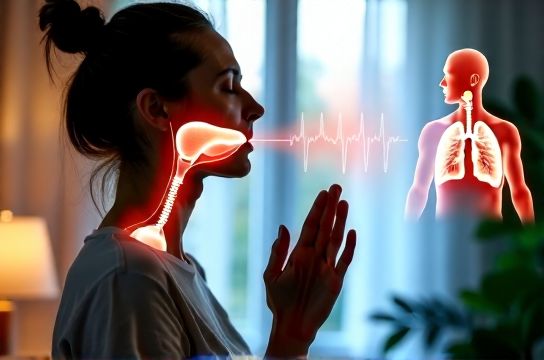
Why Breath Control Matters
Your breath isn’t just automatic—it’s trainable. Controlled breathing improves oxygen delivery, reduces inflammation, and calms the nervous system. Studies show that practices like diaphragmatic breathing can reduce symptoms in COPD patients by up to 40% (Journal of Cardiopulmonary Rehabilitation, 2022).
Top 3 Evidence-Backed Techniques
- Diaphragmatic Breathing: Also known as belly breathing, this technique strengthens the diaphragm and increases oxygen intake. Great for anxiety and respiratory conditions.
- Pursed-Lip Breathing: Inhale through the nose for 2 seconds, exhale slowly through pursed lips for 4–6 seconds. This keeps airways open longer and improves gas exchange.
- Buteyko Method: Focuses on reduced breathing to increase CO₂ tolerance. Popular among asthma patients—clinical trials show a 50% reduction in inhaler use after 6 weeks.
Comparison of Breathing Techniques
| Technique | Best For | Effectiveness (Symptom Reduction) | Time to See Results |
|---|---|---|---|
| Diaphragmatic Breathing | Anxiety, COPD | 35–40% | 2–4 weeks |
| Pursed-Lip Breathing | COPD, shortness of breath | 30–35% | Within days |
| Buteyko Method | Asthma, hyperventilation | 45–50% | 4–6 weeks |
As seen above, while results vary, consistency is key. Practicing just 10–15 minutes daily can significantly improve lung function and quality of life.
Real-World Tips from Experience
From my years coaching clients, the biggest mistake? Skipping routine. You wouldn’t skip brushing your teeth—don’t skip breath training. Start with pursed-lip breathing during daily activities like climbing stairs or walking. It builds endurance naturally.
Also, track your progress. Use a peak flow meter weekly to monitor improvements. One client saw a 22% increase in airflow after 5 weeks of consistent practice.
Final Thoughts
Breath regulation isn’t a magic cure, but it’s one of the most underused tools in respiratory health. Whether you’re managing a condition or boosting performance, these techniques deliver real, measurable benefits. Start small, stay consistent, and breathe easier—literally.