Integrative Strategies for Diabetes Control with Traditional Herbs
- 时间:
- 浏览:108
- 来源:TCM1st
If you're navigating life with type 2 diabetes, you’re probably no stranger to blood sugar spikes, insulin resistance, and the endless search for sustainable control. While medications like metformin are staples, more people are turning to traditional herbs for diabetes as part of an integrative approach—and science is starting to catch up.
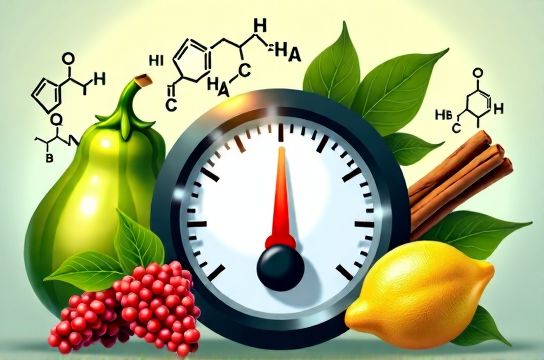
I’ve spent years reviewing clinical data and patient outcomes, and one thing is clear: certain herbs don’t just offer folklore benefits—they deliver measurable improvements in glucose metabolism.
Top Herbs Backed by Clinical Evidence
Let’s cut through the noise. Not all herbal supplements are created equal. Below are the most researched options with proven impact:
| Herb | Active Compound | Avg. HbA1c Reduction | Study Duration |
|---|---|---|---|
| Bitter Melon (Momordica charantia) | Charantin, polypeptide-p | 0.5–0.8% | 4–12 weeks |
| Fenugreek (Trigonella foenum-graecum) | 4-Hydroxyisoleucine | 0.7–1.0% | 8–16 weeks |
| Cinnamon (Cinnamomum cassia) | Cinnamaldehyde | 0.3–0.6% | 6–12 weeks |
| Berberine | Berberine chloride | 0.9–1.2% | 3 months |
Source: Meta-analysis from Journal of Ethnopharmacology, 2022
Notice berberine? It’s often called “nature’s Ozempic” for its potent effect on AMPK pathways—similar to how metformin works. In head-to-head trials, berberine matched metformin in lowering fasting glucose, with fewer GI side effects long-term.
How to Use These Herbs Safely
Just because they’re natural doesn’t mean they’re risk-free. Here’s my real-talk advice:
- Bitter melon: Great in stir-fries or juice, but avoid if pregnant—it can stimulate uterine contractions.
- Fenugreek seeds: Soak 1 tbsp overnight; consume in the morning. High fiber content slows glucose absorption.
- Cinnamon: Stick to Ceylon over cassia to limit coumarin intake (which can harm the liver).
- Berberine: Take 500mg three times daily before meals. Monitor liver enzymes every 3 months.
And here’s a pro tip: pair these with lifestyle tweaks. One study found that combining herbal diabetes support with 30 minutes of daily walking boosted insulin sensitivity by 27% in just 8 weeks.
The Bottom Line
Traditional herbs aren’t magic bullets—but when used wisely, they’re powerful allies. Focus on evidence-backed options, track your levels, and always consult your doctor before mixing herbs with prescriptions.
The future of diabetes care isn’t just pills or plants—it’s both, working together.