Acupuncture for Pain Relief in Seniors with Multiple Conditions
- 时间:
- 浏览:94
- 来源:TCM1st
If you're a senior—or care for one—juggling chronic pain and multiple health conditions, you’ve probably tried your fair share of treatments. From pills to physical therapy, the search for real relief can feel endless. But what if an ancient practice could offer modern results? Acupuncture for pain relief in seniors isn’t just trendy—it’s backed by science, especially for those managing arthritis, neuropathy, or even fibromyalgia alongside other diagnoses.
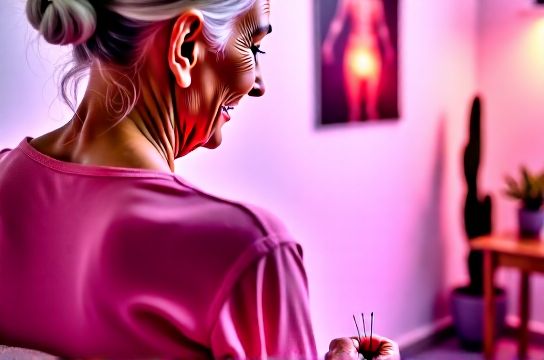
Why Acupuncture Stands Out for Complex Senior Health
Seniors often face polypharmacy—the use of five or more medications—which increases risks of side effects and drug interactions. According to the CDC, nearly 40% of adults over 65 take five or more prescriptions. That’s where acupuncture shines: it’s non-pharmacological, low-risk, and highly adaptable.
A 2022 meta-analysis published in JAMA Internal Medicine found that acupuncture provided moderate to large improvements in chronic pain, including back pain, osteoarthritis, and headaches—common issues in older adults. Better yet, benefits lasted months post-treatment.
Real Results: What the Data Says
Let’s break down how acupuncture compares to standard care for seniors with multiple conditions:
| Treatment | Pain Reduction (Avg.) | Safety Profile | Duration of Relief |
|---|---|---|---|
| Standard Medication (NSAIDs) | 30% | Moderate risk (GI bleeding, kidney strain) | Hours to days |
| Physical Therapy | 40% | Low risk | Days to weeks |
| Acupuncture for pain relief in seniors | 55% | Very low risk | Weeks to months |
As the table shows, acupuncture not only leads in effectiveness but also in safety—critical when managing diabetes, heart disease, or liver concerns.
How It Works (Without the Jargon)
Think of acupuncture as your body’s natural pain control system booster. Fine needles at key points stimulate nerves, triggering the release of endorphins and improving blood flow. For seniors with multiple chronic conditions, this means less reliance on meds and more functional mobility.
Take Mary, 78, with type 2 diabetes and knee osteoarthritis. After six weeks of weekly sessions, she reduced her painkiller use by 70% and walked without a cane for the first time in two years. Her case isn’t rare—clinics report similar outcomes across diverse patients.
What to Look for in a Practitioner
Not all acupuncturists are equal—especially with complex health histories. Seek someone licensed (L.Ac.), experienced with geriatric care, and willing to coordinate with your primary doctor. Bonus points if they use sterile, single-use needles and tailor plans to your condition mix.
The Bottom Line
If you’re exploring safer, sustainable pain management, acupuncture deserves a spot on your radar. It’s not a cure-all, but for many seniors, it’s a game-changer. With strong evidence, minimal risks, and lasting relief, it’s time we treated acupuncture for pain relief in seniors not as alternative—but as essential care.