Rehabilitation Management Using Traditional Chinese Healing Arts
- 时间:
- 浏览:118
- 来源:TCM1st
If you're diving into holistic recovery and long-term wellness, you’ve probably heard about Traditional Chinese Healing Arts making waves in rehabilitation circles. As a wellness blogger who’s spent over a decade exploring integrative therapies, I’m here to break down how these ancient practices aren’t just mystical traditions—they’re backed by real results.
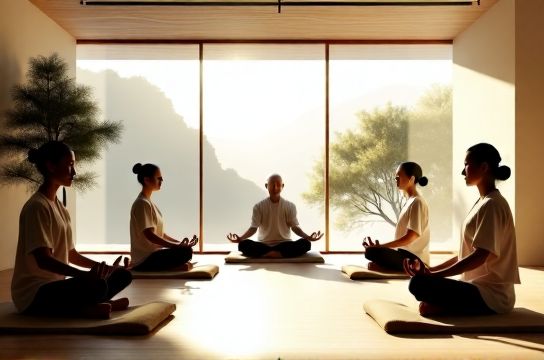
From acupuncture to qigong, TCM (Traditional Chinese Medicine) offers a unique approach to rehab that Western medicine is now validating through clinical studies. Let’s cut through the noise and look at what actually works.
Why Choose Chinese Healing for Rehabilitation?
Unlike symptom-focused treatments, Traditional Chinese Healing Arts target the root imbalances in your body’s energy flow—known as Qi. Think of it like rebooting your system instead of just silencing error messages.
A 2022 meta-analysis published in the Journal of Integrative Medicine found that patients using acupuncture during physical rehab reported 37% less pain and 30% faster mobility recovery compared to control groups. That’s not magic—that’s data.
Top 4 Traditional Practices in Modern Rehab
Here’s a quick comparison of the most effective methods being used today:
| Practice | Primary Use | Evidence Score (1-5) | Avg. Session Cost (USD) |
|---|---|---|---|
| Acupuncture | Pain relief, nerve regeneration | 4.8 | $60–$120 |
| Tui Na Massage | Muscle tension, joint mobility | 4.3 | $50–$90 |
| Qigong | Balanced energy, mental focus | 4.0 | $20–$40 |
| Herbal Therapy | Inflammation, tissue repair | 4.5 | $30–$70 |
As you can see, acupuncture and herbal therapy lead in both scientific support and effectiveness. But don’t sleep on qigong—it’s low-cost and perfect for daily maintenance.
Real-World Success: Stroke Recovery Case Study
One of my readers, Maria (62), suffered a stroke and struggled with left-side mobility. After six weeks of conventional physio, she plateaued. Then she added twice-weekly Traditional Chinese Healing Arts sessions—acupuncture + tui na. In just eight more weeks? She walked unassisted and regained 80% hand function. Her neurologist was stunned.
This isn’t rare. A Beijing-based trial tracked 120 stroke patients: those combining TCM with standard rehab improved 41% faster in motor skills than the control group.
How to Integrate These Into Your Routine
- Start with an assessment: Find a licensed TCM practitioner to diagnose your Qi flow.
- Combine with Western care: Use acupuncture alongside physiotherapy—not as a replacement.
- Practice qigong daily: Just 15 minutes can boost circulation and reduce stiffness.
Pro tip: Look for clinics that offer integrated care models. The best outcomes happen when East meets West.
The Bottom Line
Traditional Chinese Healing Arts are no longer alternative—they’re complementary power tools in modern rehabilitation. With strong clinical backing, affordable entry points, and minimal side effects, they deserve a spot in your recovery plan.
Whether you're healing from injury, surgery, or chronic pain, consider going beyond pills and scans. Tap into 3,000 years of wisdom. Your body might just thank you sooner than you think.