Maintaining Mobility and Comfort with Ancient Chinese Practices
- 时间:
- 浏览:111
- 来源:TCM1st
If you've been feeling stiff, sluggish, or just off lately — you're not alone. In our screen-heavy, sedentary world, mobility issues are skyrocketing. But what if the solution isn’t the latest wearable or fitness app? What if it’s over 2,000 years old?
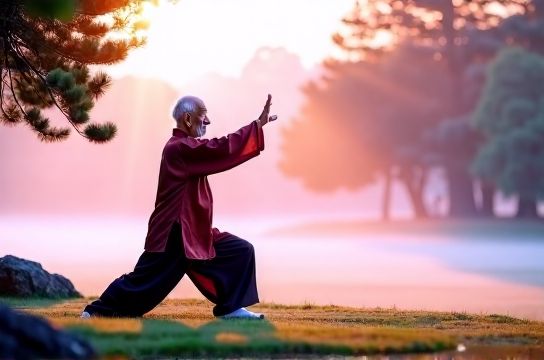
As a holistic health blogger who’s tested everything from cryotherapy to AI-powered physio, I’ve found that Ancient Chinese practices consistently deliver real, lasting results — especially when it comes to maintaining mobility and comfort.
We’re talking about time-tested systems like Qigong, Tai Chi, and traditional meridian-based stretching. These aren’t just 'gentle exercises' — they’re sophisticated movement therapies rooted in Traditional Chinese Medicine (TCM).
Why Modern Bodies Need Ancient Movement
Studies show the average adult spends over 6 hours a day sitting. No wonder back pain affects up to 80% of people at some point. But instead of reaching for painkillers, consider this: ancient Chinese practitioners believed stiffness wasn’t just physical — it was a blockage of Qi (vital energy) in the body’s meridians.
Tai Chi, for example, has been clinically shown to improve balance, reduce joint pain, and increase flexibility. A 2021 meta-analysis published in the Journal of Aging and Physical Activity found that regular Tai Chi practice improved mobility in older adults by up to 37% over 12 weeks.
Top 3 Ancient Chinese Practices for Daily Mobility
| Practice | Key Benefits | Time Required | Scientific Backing |
|---|---|---|---|
| Tai Chi | Joint health, balance, stress reduction | 20–30 min/day | High (NIH-recognized) |
| Qigong | Energy flow, chronic pain relief | 10–15 min/day | Moderate to High |
| Meridian Stretching | Flexibility, circulation | 10 min/day | Emerging |
Source: National Center for Complementary and Integrative Health (NCCIH), 2023
How to Start Today (No Robes Required)
You don’t need to become a monk. Just 10 minutes a day can make a difference. Try this simple routine:
- Morning: 5 minutes of Qigong breathing + gentle neck and shoulder rolls
- Lunch Break: Meridian stretches targeting hips and spine
- Evening: 10 minutes of slow Tai Chi to unwind and reset
The key? Consistency over intensity. Unlike high-impact workouts that can strain joints, these practices support your body’s natural range of motion.
And here’s the kicker — they’re free or low-cost. Apps and YouTube videos make it easy to learn at home. Plus, they double as stress relievers, which we all know is half the battle.
So if you're serious about long-term joint comfort and mobility, maybe it’s time to look backward — way backward. The future of wellness might just be ancient.