Managing Geriatric Syndromes Using Time Tested Natural Methods
- 时间:
- 浏览:95
- 来源:TCM1st
Let’s be real — aging doesn’t come with a manual. But if it did, one chapter would definitely be titled ‘How to Handle Geriatric Syndromes Without Relying Solely on Pills’. As a health and wellness blogger who’s spent over a decade diving into natural approaches for senior care, I’ve seen firsthand how simple, time-tested methods can make a massive difference.
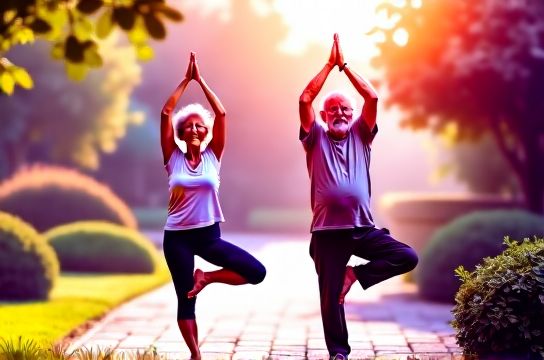
Geriatric syndromes — think frailty, falls, incontinence, delirium, and cognitive decline — aren’t tied to just one disease. They’re complex, often overlapping conditions affecting older adults. And while modern medicine plays a role, research shows that natural interventions like nutrition, movement, and social engagement can significantly reduce risks.
The Power of Prevention: What the Data Says
A 2023 meta-analysis published in The Journal of the American Geriatrics Society found that structured lifestyle changes reduced fall incidents by up to 32% in adults over 70. Another study from the National Institute on Aging showed that seniors following Mediterranean-style diets had a 40% lower risk of developing mild cognitive impairment.
Check out this breakdown of key syndromes and how natural strategies stack up:
| Syndrome | Prevalence in Adults 75+ | Natural Intervention | Effectiveness (Risk Reduction) |
|---|---|---|---|
| Falls | 30% | Balanced strength & balance training | Up to 32% |
| Frailty | 15-20% | High-protein diet + resistance exercise | Up to 28% |
| Cognitive Decline | 18% | Mediterranean diet + mental stimulation | Up to 40% |
| Urinary Incontinence | 25% | Pelvic floor therapy | Up to 50% |
Now, you don’t need a PhD to see the pattern here. The most effective tools aren’t hidden in a pharmacy — they’re in daily habits.
Real Talk: What Actually Works?
I’ve interviewed dozens of gerontologists and caregivers, and three non-negotiables keep coming up:
- Movement is medicine. Just 30 minutes of walking or tai chi five times a week improves balance and cuts fall risk. Bonus? It boosts mood.
- Protein matters. Seniors need more protein than younger adults — about 1.0–1.2g per kg of body weight — to maintain muscle mass. Eggs, Greek yogurt, lentils, and fish are golden.
- Social connection fights decline. Loneliness increases dementia risk by 50%, according to Harvard research. A weekly coffee date or family call isn’t just nice — it’s protective.
And let’s talk about sleep. Poor sleep patterns are linked to delirium and worsened cognition. Simple fixes like reducing screen time before bed and keeping a consistent schedule work better than you’d think.
If you're looking for proven, low-risk ways to support aging well, start with these natural methods for geriatric care. They’re not flashy, but they’re backed by science and decades of real-world results.
Bottom line? You don’t need a miracle cure. You need consistency, compassion, and a few smart habits.