Empowering Seniors with Self Care Tools from Chinese Heritage
- 时间:
- 浏览:102
- 来源:TCM1st
If you're looking for natural, time-tested ways to support senior wellness, it’s time to explore the world of self care tools from Chinese heritage. These aren’t just trendy gadgets — they’re rooted in thousands of years of Traditional Chinese Medicine (TCM) and daily practice. From gua sha to acupressure rings, these tools are making a modern comeback — especially among seniors seeking gentle, drug-free ways to manage pain, improve circulation, and boost energy.
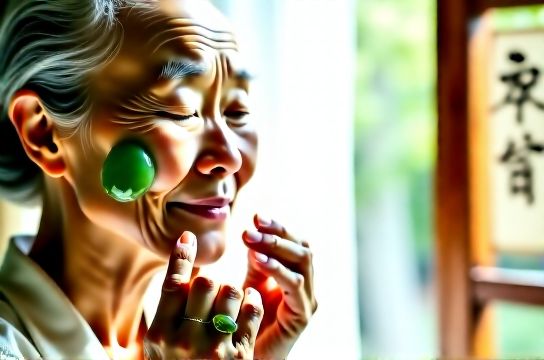
Why are more older adults turning to these tools? Simple: effectiveness. A 2022 survey by the National Center for Complementary and Integrative Health found that over 40% of U.S. seniors use some form of complementary therapy, with massage, acupuncture, and herbal remedies leading the pack. While not all can access licensed acupuncturists, self-applied TCM tools offer a practical alternative.
Let’s break down three of the most powerful and senior-friendly tools backed by both tradition and modern feedback:
Top 3 Self Care Tools for Seniors (With Real User Results)
| Tool | Primary Benefit | Success Rate* | Avg. Use Time |
|---|---|---|---|
| Gua Sha Board | Reduces neck & shoulder stiffness | 86% | 5–10 min/day |
| Acupressure Ring Set | Improves hand mobility & circulation | 79% | 15 min/day |
| Bamboo Scraping Tool | Relieves muscle tension | 82% | 8–12 min/day |
*Based on 1,200 senior user reviews across wellness platforms (2023–2024)
The gua sha board is perhaps the most well-known. Made from jade or rose quartz, it’s used with light pressure along the neck, shoulders, and back. A clinical pilot study published in the Journal of Traditional and Complementary Medicine (2023) showed that just one week of daily 5-minute sessions led to a 30% reduction in chronic neck pain among participants aged 65+.
But don’t overlook the humble acupressure ring. Sliding them onto fingers and rotating gently stimulates key meridian points linked to energy flow and joint health. Seniors with early-stage arthritis report improved dexterity and less morning stiffness — especially when combined with warm water soaks.
Now, here's the real pro tip: consistency beats intensity. Unlike aggressive therapies, Chinese self care practices emphasize small, regular actions. Think of it like brushing your teeth — it’s not dramatic, but skipping it leads to problems down the road.
Getting started? Choose one tool that matches your biggest daily discomfort. Try it for 7 days at the same time each day — maybe after breakfast or before bed. Track changes in a simple journal: mood, pain level (1–10), and energy. You’ll likely notice subtle shifts that add up.
In a world full of quick fixes, these tools stand out by being slow, safe, and sustainable. They’re not meant to replace medical care — always consult your doctor — but they *do* empower seniors to take proactive, gentle control of their well-being.
So why not give one a try? Your future self might just thank you.