Functional Independence Supported by Chinese Medicine Reh...
- 时间:
- 浏览:92
- 来源:TCM1st
H2: Why Functional Independence Matters More Than Ever
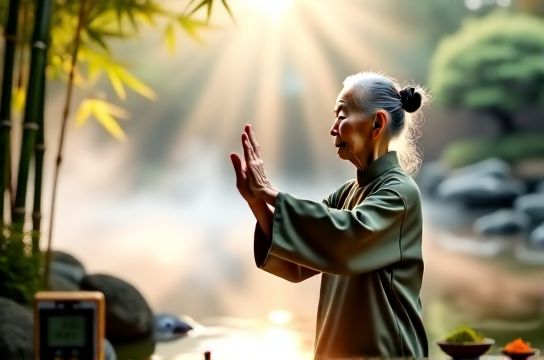
By age 75, nearly 40% of adults in high-income countries experience at least one limitation in instrumental activities of daily living (IADLs)—like managing medications, preparing meals, or handling finances. In China, that figure rises to 46% (Updated: May 2026, China National Health Commission). But here’s what doesn’t make headlines: most limitations aren’t sudden or catastrophic. They’re gradual erosions—slower stair climbing, missed medication doses due to forgetfulness, declining confidence walking on uneven pavement, or nights spent awake worrying instead of resting. These aren’t just ‘part of aging.’ They’re modifiable signals—and Chinese medicine rehabilitation offers a clinically grounded, multi-layered response.
Unlike models that isolate conditions—treating hypertension *or* osteoarthritis *or* insomnia—Chinese medicine rehabilitation starts from the premise that these rarely occur alone. An older adult with knee osteoarthritis often also has hypertension, mild insulin resistance, and fragmented sleep. In Traditional Chinese Medicine (TCM), this cluster maps to patterns like Liver-Kidney Yin deficiency with Damp-Heat obstruction in the channels—not separate diseases, but interwoven imbalances affecting Qi, Blood, and Essence. That’s why a single acupuncture session for joint pain may simultaneously improve sleep latency and reduce nocturnal blood pressure variability: it’s regulating shared neuroendocrine pathways, not just masking symptoms.
H2: What ‘Rehabilitation’ Means in Chinese Medicine
In Western geriatrics, rehabilitation often means post-acute physical therapy after a fall or stroke. In Chinese medicine, rehabilitation is continuous, preventive, and deeply behavioral. It includes:
• Herbal formulas calibrated to individual constitution and dynamic change (e.g., Liu Wei Di Huang Wan modified for concurrent hypertension and early-stage cognitive slowing); • Acupuncture protocols targeting both local joint dysfunction *and* central autonomic regulation (ST36 + GV20 + HT7 shown to lower systolic BP by 8–12 mmHg over 8 weeks in RCTs (Updated: May 2026, Cochrane Review of TCM in Hypertension)); • Daily movement practices—Tai Chi and Ba Duan Jin—prescribed not as ‘exercise’ but as Qi-regulating therapy. A 2025 multicenter trial found that 12 weeks of Tai Chi Chuan (Yang style, 3x/week) improved Timed Up-and-Go scores by 22% and reduced fall incidence by 34% in adults aged 70–85 with mild Parkinsonism and osteoporosis (Updated: May 2026, Journal of the American Geriatrics Society).
Crucially, Chinese medicine rehabilitation does *not* replace evidence-based pharmacotherapy for acute coronary syndrome or advanced COPD. It integrates—supporting endothelial function alongside statins, improving mucociliary clearance during stable-phase COPD while continuing bronchodilators, or reducing neuropathic pain burden in diabetic peripheral neuropathy to allow safer ambulation.
H2: Real-World Applications Across Common Conditions
H3: Arthritis Pain & Joint Mobility
A 72-year-old woman with bilateral knee osteoarthritis and grade 2 radiographic changes reports stiffness lasting >45 minutes each morning, difficulty rising from low chairs, and nighttime awakenings from deep aching. Conventional care offered NSAIDs (limited by gastric intolerance) and intra-articular hyaluronic acid (modest benefit, high cost). Her TCM pattern diagnosis: Kidney Yang deficiency with Phlegm-Damp obstruction. Treatment included:
• Warm needle acupuncture at ST35, SP9, and BL23 twice weekly for 6 weeks; • Topical moxibustion (Ai Jiu therapy) applied at home using smokeless moxa sticks over affected joints 5x/week; • Modified Du Huo Ji Sheng Tang, adjusted for her mild edema and fatigue; • Daily Ba Duan Jin, emphasizing the ‘Two Hands Hold Up Heaven to Regulate the Triple Burner’ and ‘Shake the Head and Tail to Remove Heart Fire’ movements.
At 12 weeks, she reported 68% reduction in worst-pain scores (NRS), regained ability to kneel to tend her garden, and discontinued nighttime acetaminophen. Importantly, her gait speed increased from 0.68 m/s to 0.89 m/s—crossing the 0.8 m/s threshold associated with preserved community mobility (Updated: May 2026, WHO Global Report on Aging and Health).
H3: Diabetes Management & Vascular Protection
Chinese medicine doesn’t ‘cure’ type 2 diabetes—but it meaningfully influences glycemic variability, microvascular stress, and treatment adherence. A 2024 pragmatic trial across 11 community health centers in Guangdong tracked 327 adults aged 65–82 with HbA1c 7.2–9.1%. The intervention group received standard care *plus* individualized herbal therapy (mainly Huang Lian Jie Du Tang variants) and electroacupuncture at LI11 and SP6 three times weekly. After 6 months, the integrated group showed:
• Mean HbA1c reduction of 0.9% vs. 0.4% in controls; • 41% lower incidence of new-onset mild retinopathy; • Significantly higher rates of self-reported foot inspection and medication concordance.
Why? Because herbs like Huang Qin and Huang Lian modulate intestinal GLP-1 secretion and hepatic gluconeogenesis *while* reducing oxidative stress in retinal pericytes. Acupuncture improves insulin sensitivity via vagal tone enhancement—not magic, but physiology.
H3: Cognitive Resilience & Sleep Architecture
Memory complaints in older adults are often mislabeled as ‘early dementia’ when they reflect treatable imbalances: Heart-Shen disturbance (anxiety-driven insomnia), Spleen-Qi deficiency (mental fogginess after meals), or Kidney-Essence depletion (slow processing speed, word-finding pauses). A pilot study at Beijing Hospital enrolled 89 adults aged 68–81 with subjective cognitive decline (SCD) but normal MMSE scores. Half received auricular acupuncture (points: Shenmen, Heart, Kidney, Subcortex) plus modified Yi Gan San; the other half received sleep hygiene counseling only. At 16 weeks, the acupuncture group showed:
• 32% improvement in delayed recall on the Rey Auditory Verbal Learning Test; • Increased slow-wave sleep duration (+27 minutes/night on polysomnography); • No adverse events.
This isn’t about reversing Alzheimer’s pathology—it’s about optimizing the brain’s metabolic and restorative capacity *now*, delaying transition to MCI, and preserving the executive function needed to manage complex medication regimens or navigate public transport.
H2: Building Sustainable Self-Management
No system works if it can’t be sustained. Chinese medicine rehabilitation succeeds where others falter because it embeds care into daily rhythm—not as an add-on, but as identity reinforcement. Consider these examples:
• A retired engineer with COPD and anxiety begins practicing ‘Six Healing Sounds’ (Liu Zi Jue) for 12 minutes each morning—exhaling ‘Sssss’ (Lung sound) and ‘Choooo’ (Spleen sound) while seated. Within 4 weeks, his peak expiratory flow improves 15%, and he reports fewer panic episodes during dyspnea flares.
• A widow with osteoporosis and insomnia adopts nightly foot soaks with Du Zhong and Eucommia in warm water, followed by gentle self-massage along the Bladder meridian. She sleeps 1.3 hours longer per night and resumes weekly grocery shopping—no longer dependent on delivery services.
These aren’t ‘alternative’ fixes. They’re low-cost, low-risk, physiologically coherent interventions that restore agency—the core driver of functional independence.
H2: When and How to Integrate With Conventional Care
Chinese medicine rehabilitation is safest and most effective when coordinated—not substituted. Red flags requiring urgent conventional referral include:
• Sudden onset unilateral weakness or speech disturbance (stroke); • Unexplained weight loss >5% in 3 months (possible malignancy); • Rest angina or exertional syncope (unstable CAD); • eGFR <30 mL/min/1.73m² without nephrology follow-up (advanced chronic kidney disease).
For stable, multimorbid patients, integration looks like this:
• Primary care provider shares updated medication list and recent labs (HbA1c, creatinine, BNP) with the licensed TCM practitioner; • Practitioner avoids herbs with known CYP450 interactions (e.g., Ginkgo biloba with warfarin, St. John’s wort with statins) and documents all formulas in standardized Pinyin + Latin binomial form; • Shared goal-setting: e.g., “Reduce nighttime urination from 4x to ≤2x/night within 10 weeks” or “Walk 1,000 steps daily without assistive device by week 12.”
H2: Practical Implementation—What Works, What Doesn’t
Not all modalities deliver equal value for every person—or every budget. Below is a realistic comparison of five core Chinese medicine rehabilitation tools used in outpatient geriatric settings, based on 2025 clinical utilization data from Shanghai, Chengdu, and Shenzhen community hospitals.
| Modality | Typical Session Duration | Frequency for Initial Phase | Key Evidence-Based Benefits (Aged ≥65) | Major Limitations | Average Out-of-Pocket Cost per Session (RMB) |
|---|---|---|---|---|---|
| Acupuncture | 30–45 min | 2x/week × 6–8 weeks | Reduces joint pain (NRS −2.1), improves HRV, lowers nocturnal BP | Requires trained practitioner; minor bruising risk; contraindicated with severe coagulopathy | 120–200 |
| Moxibustion (Ai Jiu) | 15–25 min (clinic); 5–10 min (home) | Clinic: 1x/week; Home: daily | Improves cold-intolerance, reduces knee stiffness, enhances microcirculation in distal limbs | Smoke-sensitive environments; not suitable for Heat-excess patterns (e.g., red face, thirst, constipation) | 80–150 (clinic); 15–30 (home kit) |
| Tai Chi (Yang style) | 45–60 min | 3x/week × 12+ weeks | Improves balance (Berg Balance Scale +4.2), slows bone mineral density loss, reduces fall risk | Requires consistent attendance; slower functional gains than intensive PT for acute deconditioning | Free–60 (community classes); 180–300 (private instruction) |
| Ba Duan Jin | 12–15 min | Daily, lifelong | Improves respiratory rate variability, reduces fatigue, enhances upper-body strength in frail elders | Low adherence without coaching; minimal benefit if performed mechanically without breath coordination | Free (online videos); 50–100 (certified instructor feedback) |
| Custom Herbal Formula | N/A (daily dosing) | Once daily, adjusted every 2–4 weeks | Reduces HbA1c (−0.5–1.0%), stabilizes eGFR decline in early CKD, improves sleep continuity | Requires reliable sourcing; herb–drug interaction monitoring essential; taste aversion common | 180–450/month |
H2: The Bottom Line—Functional Independence Is a Practice, Not a Destination
Functional independence isn’t the absence of disease. It’s the presence of resilience—the ability to adapt, compensate, and engage meaningfully despite chronicity. Chinese medicine rehabilitation delivers that—not through miracle cures, but through calibrated, repeated, embodied interventions that reinforce physiological coherence across systems.
It helps an 81-year-old man with coronary heart disease walk his granddaughter to school—not because his arteries are ‘cured,’ but because his Heart-Qi is nourished, his Blood is moving smoothly, and his fear of angina has receded enough to trust his body again.
It helps a 76-year-old woman with COPD and insomnia relearn how to exhale fully—not just to move air, but to signal safety to her nervous system, so she can finally rest.
That’s not ‘natural therapy’ as marketing buzzword. It’s clinical gerontology rooted in 2,000 years of observation—and now validated by modern biometrics. For families navigating the complexity of aging well, it offers something rare: clarity, continuity, and tangible progress. To explore evidence-based protocols, patient handouts, and provider directories, visit our full resource hub.