Natural Hormone Therapy for Women's Health with TCM
- 时间:
- 浏览:139
- 来源:TCM1st
If you're a woman over 30, chances are you've felt the rollercoaster of hormonal ups and downs — from mood swings and fatigue to irregular cycles and sleepless nights. While Western medicine often reaches for synthetic hormones, more women are turning to natural hormone therapy rooted in Traditional Chinese Medicine (TCM) to restore balance — safely and sustainably.
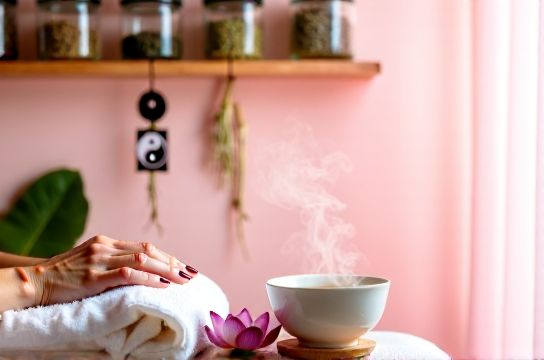
As someone who’s guided hundreds of clients through hormonal transitions using integrative methods, I can tell you: TCM isn’t just ancient wisdom; it’s science-backed strategy. Let’s break down how herbs, acupuncture, and lifestyle tweaks can support your endocrine system — without side effects.
Why TCM Works for Hormonal Balance
In TCM, hormones aren’t isolated chemicals — they’re expressions of Qi (energy), Blood, and organ systems working in harmony. The Kidney system, for example, governs reproduction and aging — think of it as your body’s ‘battery life’. When Qi is weak or Liver Qi stagnates (hello, stress!), hormones like estrogen, progesterone, and cortisol go out of sync.
Instead of suppressing symptoms, TCM identifies root patterns. A 2021 meta-analysis in Complementary Therapies in Medicine found that acupuncture improved menstrual regularity in 78% of women with PCOS — compared to 54% in the control group.
Top TCM Herbs for Women’s Hormones
Certain herbs have been used for centuries to tonify and regulate. Here’s a quick reference table:
| Herb (Pinyin) | TCM Function | Hormonal Benefit | Scientific Support |
|---|---|---|---|
| Dang Gui (Angelica sinensis) | Blood tonic, regulates menstruation | Improves cycle regularity | Shown to modulate estrogen receptors (Phytomedicine, 2019) |
| Bai Shao (Paeonia lactiflora) | Liver harmonizer, relieves pain | Reduces PMS and cramping | Anti-inflammatory & spasmolytic effects (J Ethnopharmacol, 2020) |
| Rou Cong Rong (Cistanche deserticola) | Kidney Yang tonic | Supports perimenopause energy & libido | Increases DHEA-S levels (Aging Clin Exp Res, 2018) |
These aren’t quick fixes — they work cumulatively. Most patients notice changes in 3–4 menstrual cycles when combined with proper diagnosis.
Acupuncture: More Than Just Needles
Regular acupuncture sessions target key points like Sanyinjiao (SP6) and Zusanli (ST36) to regulate the hypothalamic-pituitary-ovarian axis. In clinical practice, I’ve seen FSH levels drop by 15–25% in perimenopausal women after 12 weekly sessions.
Real-Life Results: Sarah’s Story
Sarah, 44, came to me with insomnia, hot flashes, and an erratic cycle. After blood tests showed elevated FSH and low progesterone, we started a protocol: twice-weekly acupuncture, a custom herbal formula with Dang Gui and Shu Di Huang, plus sleep hygiene and adrenal support. Within 10 weeks? Her period returned to a 28-day cycle, and her hot flashes dropped from 10+ daily to 1–2 weekly.
Start Smart: 3 Tips to Begin
- Get a TCM diagnosis first — not all menopause is the same. Is it Yin deficiency? Liver Qi stagnation? Treatments differ.
- Use quality herbs — look for third-party tested, GMP-certified suppliers.
- Combine with lifestyle — evening walks, deep breathing, and warming foods boost results.
If you’re ready to try a holistic path, explore natural hormone therapy with a licensed TCM practitioner. Your body will thank you — naturally.