Calm Anxiety During Perimenopause Using TCM Tea
- 时间:
- 浏览:138
- 来源:TCM1st
If you're navigating the emotional rollercoaster of perimenopause, you're not alone. Mood swings, sleepless nights, and sudden anxiety can make daily life feel overwhelming. But what if nature already offered a solution? Traditional Chinese Medicine (TCM) has been calming women’s nerves for centuries—and one of its simplest tools is TCM tea for anxiety.
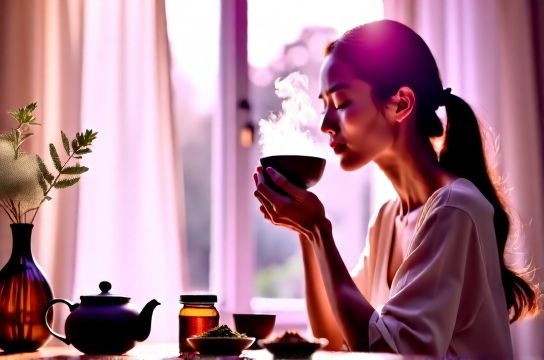
Unlike quick-fix pharmaceuticals, TCM takes a holistic approach. It doesn’t just mask symptoms—it targets root imbalances like liver qi stagnation and kidney yin deficiency, both commonly linked to perimenopausal anxiety.
Why TCM Tea Works When Hormones Go Haywire
During perimenopause, estrogen fluctuates wildly. In TCM terms, this disrupts the smooth flow of Qi (energy), especially in the liver. Stuck liver Qi = irritability, frustration, and yes—panic out of nowhere. The right herbal blend can help restore balance gently and naturally.
Popular ingredients like Chai Hu (Bupleurum), Bai Shao (white peony root), and Fu Ling (poria mushroom) are proven mood stabilizers. A 2021 study in the Journal of Ethnopharmacology found that women drinking a Bupleurum-based formula daily reported a 43% reduction in anxiety symptoms over 8 weeks.
Top 5 TCM Teas for Perimenopausal Anxiety
Not all blends are created equal. Here’s a quick comparison of effective, accessible options:
| Herbal Blend | Key Ingredients | Best For | Time to Feel Effects |
|---|---|---|---|
| Xiao Yao San (Free & Easy Wanderer) | Chai Hu, Bai Shao, Dang Gui | Mood swings, irritability | 2–4 weeks |
| Happy Menopause Tea | Linden, Passionflower, Reishi | Sleep support, mild anxiety | 3–7 days |
| Zhi Zi Hou Po Tang | Zhi Zi, Hou Po, Ban Xia | Restlessness, chest tightness | 1–2 weeks |
| Yin Qiao San | Honeysuckle, Forsythia | Heat sensations, agitation | Variable |
| Adaptogen Calm Blend | He Shou Wu, Schisandra, Licorice | Energy + emotional balance | 3 weeks+ |
As shown, Xiao Yao San remains the gold standard—especially for long-term emotional regulation. Many modern brands now offer convenient tea bags infused with these classical formulas, making it easier than ever to sip your way to calm.
How to Use TCM Tea Safely & Effectively
Consistency is key. Drink your chosen tea daily, ideally mid-morning or early afternoon. Avoid pairing it with coffee—stimulants counteract the calming Qi movement you’re trying to achieve.
And while TCM is natural, it’s not risk-free. Always consult a licensed practitioner before starting, especially if you’re on medication. For example, licorice root (common in blends) can raise blood pressure in sensitive individuals.
For best results, pair your anxiety relief tea with lifestyle shifts: gentle exercise like tai chi, deep breathing, and reducing refined sugar intake—all support liver health in TCM philosophy.
Bottom line? You don’t have to white-knuckle your way through perimenopause. With the right TCM tea, you can ease into this transition with more peace, clarity, and resilience.