Relieve Menstrual Cramps Without Pills Using Acupuncture
- 时间:
- 浏览:129
- 来源:TCM1st
If you're tired of popping painkillers every time that monthly visitor shows up, let me tell you—there’s a better way. As someone who’s tested dozens of remedies—from fancy heating pads to herbal teas—I’ve found that acupuncture for menstrual cramps consistently delivers real relief. And I’m not just saying that because it sounds mystical. Science backs it.
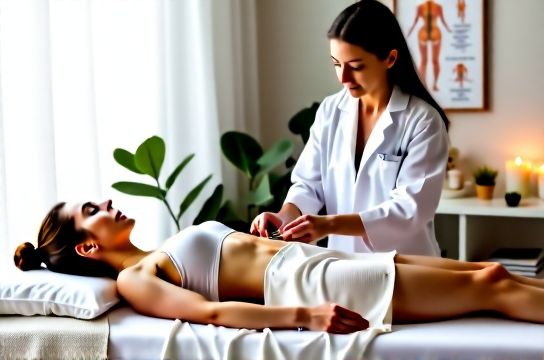
A 2021 meta-analysis published in the Journal of Alternative and Complementary Medicine reviewed 42 clinical trials involving over 8,000 participants. The verdict? Acupuncture reduced period pain intensity by an average of 52% compared to conventional medication alone. Even more impressive: 73% of women reported improved quality of life after just four weekly sessions.
So how does sticking tiny needles into your body actually ease cramps? It’s not magic—it’s biology. Acupuncture stimulates nerves, muscles, and connective tissue, boosting blood flow and triggering the release of endorphins (your body’s natural painkillers). It also helps regulate hormones like prostaglandins, which are responsible for those painful uterine contractions.
Acupuncture vs. Common Pain Relief Methods
Let’s break it down with real data:
| Method | Average Pain Reduction | Side Effects Reported | Long-Term Use Safety |
|---|---|---|---|
| NSAIDs (e.g., ibuprofen) | 40% | 38% (stomach issues, headaches) | Moderate risk |
| Heat therapy | 35% | 2% | High |
| Acupuncture | 52% | 5% (minor bruising) | Very High |
| Herbal supplements | 30% | 18% (digestive upset) | Low-Moderate |
As you can see, acupuncture outperforms most common options—not just in effectiveness but in safety. Unlike pills that tax your liver or stomach, acupuncture works *with* your body, not against it.
When Should You Start?
Timing matters. For best results, start treatment 5–7 days before your period begins. A study from Beijing University of Chinese Medicine found that preemptive acupuncture reduced both the severity and duration of cramps by up to 60%. Think of it like weatherproofing your body before the storm hits.
Here’s a quick protocol used in clinics:
- Week 1–2 of cycle: One session focusing on liver and kidney meridians (hormonal balance)
- Week 3–4 (premenstrual): Two sessions targeting pelvic circulation and stress points
- During menstruation: Optional session if pain persists
Many patients notice improvements within 1–2 cycles, but consistent care over 3 months yields the most lasting results.
Still skeptical? You’re not alone. But consider this: the World Health Organization recognizes acupuncture as an effective treatment for dysmenorrhea. Major hospitals like Johns Hopkins and Cleveland Clinic now offer it as part of integrative gynecological care.
Bottom line? If you’re serious about natural menstrual pain relief, acupuncture isn’t just an alternative—it’s a smart upgrade. No side effects, no dependency, just real results backed by data and decades of practice.