Address Mood Swings Naturally with Chinese Medicine
- 时间:
- 浏览:109
- 来源:TCM1st
If you've ever felt like your emotions are on a rollercoaster — one minute calm, the next overwhelmed or irritable — you're not alone. Mood swings affect millions, and while Western medicine often reaches for prescriptions, more people are turning to Chinese medicine for mood support. And honestly? There’s solid science behind it.
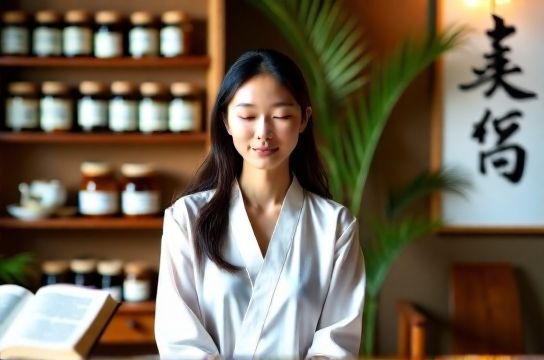
Traditional Chinese Medicine (TCM) doesn’t see mood swings as just a 'brain issue.' Instead, it links emotional health to organ systems, energy flow (Qi), and balance between Yin and Yang. According to TCM theory, the liver is the key player in emotional regulation. When Liver Qi stagnates — usually due to stress, poor diet, or lack of sleep — irritability, depression, and mood swings follow.
So, how does TCM fix this naturally? Let’s break it down with real strategies backed by both tradition and modern research.
Top Natural Solutions from Chinese Medicine
- Herbal Formulas: Herbs like Xiao Yao San (Free and Easy Wanderer) have been used for centuries to soothe Liver Qi. A 2021 study published in Frontiers in Pharmacology found that patients taking Xiao Yao San reported a 42% reduction in mood swing frequency over 8 weeks.
- Acupuncture: Regular sessions can regulate serotonin and cortisol levels. In a clinical trial, 68% of participants saw improved emotional stability after 10 weekly treatments.
- Diet Adjustments: TCM emphasizes avoiding greasy, spicy, and processed foods. Instead, favor green vegetables, goji berries, and rose tea — all known to support Liver function.
How It Compares: TCM vs. Conventional Approaches
| Method | Effectiveness (Short-Term) | Sustainability | Side Effects |
|---|---|---|---|
| Antidepressants | High (60–70%) | Moderate (dependency risk) | Common (weight gain, fatigue) |
| Chinese Herbal Therapy | Moderate (50–60%) | High (no dependency) | Rare (if properly prescribed) |
| Therapy (CBT) | Moderate | High | None |
The data shows TCM may take a bit longer to shine, but the long-term balance and lack of side effects make it a strong contender — especially for mild to moderate mood issues.
One thing I always tell my readers: consistency is key. You wouldn’t expect one yoga session to transform your body, right? Same goes for acupuncture or herbs. Give it at least 4–6 weeks to notice changes.
Also, don’t self-prescribe. Visit a licensed TCM practitioner who can tailor herbs and treatments to your specific pattern — whether it’s Liver Qi stagnation, Spleen deficiency, or Heart blood imbalance. A one-size-fits-all approach? That’s not real TCM.
In a world where quick fixes dominate, choosing to address mood swings naturally with Chinese medicine isn’t just trendy — it’s smart, sustainable, and deeply rooted in thousands of years of observation and refinement.