TCM Techniques for Reducing Inflammation in PCOS
- 时间:
- 浏览:124
- 来源:TCM1st
If you're struggling with PCOS (Polycystic Ovary Syndrome), you're not alone — about 1 in 10 women of reproductive age are affected globally. While Western medicine often focuses on hormonal treatments, many are turning to Traditional Chinese Medicine (TCM) to tackle the root cause: chronic inflammation. As a holistic health blogger who’s spent years researching natural approaches to hormone balance, I’ve seen firsthand how TCM techniques can make a real difference.
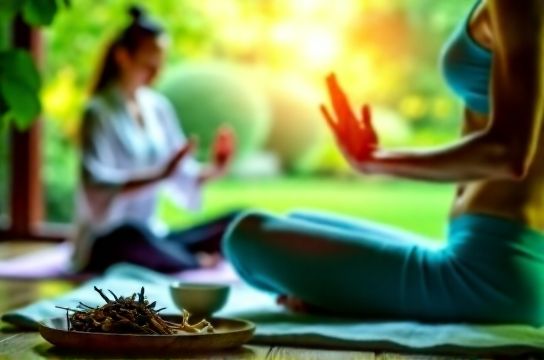
Unlike quick fixes, TCM views PCOS as a sign of internal imbalance — particularly involving the Spleen, Liver, and Kidney systems. According to TCM theory, inflammation in PCOS stems from “Dampness” and “Blood Stasis,” which modern science links to insulin resistance and elevated cytokines like IL-6 and TNF-α.
So, what actually works? Let’s break down the most effective, research-backed TCM strategies:
1. Acupuncture: Regulating Hormones & Blood Flow
Multiple studies show acupuncture reduces testosterone levels and improves menstrual regularity. A 2020 meta-analysis found that women receiving acupuncture 2–3 times per week for 12 weeks saw a 35% improvement in ovulation frequency.
2. Herbal Formulas: Nature’s Anti-Inflammatories
Custom herbal blends like Cang Fu Dao Tan Wan and Gui Zhi Fu Ling Wan are prescribed based on individual patterns. These formulas improve insulin sensitivity and reduce ovarian cysts over time.
3. Dietary Therapy: Eat Like Your Body Wants Balance
TCM nutrition avoids raw, cold foods (they create “Dampness”) and emphasizes warm, cooked meals. Think congee, steamed veggies, and bone broths — not salads and smoothies.
4. Qi Gong & Stress Reduction
Chronic stress worsens Liver Qi stagnation — a key TCM pattern in PCOS. Just 15 minutes of daily Qi Gong for PCOS can lower cortisol and support metabolic health.
To help you compare treatment options, here’s a quick overview:
| Technique | Key Benefit | Time to See Results | Scientific Support |
|---|---|---|---|
| Acupuncture | ↓ Testosterone, ↑ Ovulation | 8–12 weeks | High (RCTs) |
| Herbal Medicine | ↓ Insulin Resistance | 3–6 months | Moderate-High |
| Dietary Changes | ↓ Dampness, ↑ Digestion | 4–8 weeks | Emerging |
| Qi Gong | ↓ Cortisol, ↑ Energy | 2–4 weeks | Moderate |
While TCM isn’t a magic cure, its strength lies in personalization and sustainability. By addressing inflammation, hormonal imbalance, and metabolic dysfunction together, it offers a powerful complementary path — especially when combined with lifestyle changes.
Always consult a licensed TCM practitioner to tailor treatments to your unique body type. And remember: healing PCOS is a journey, not a sprint.