Acupuncture for PCOS Management and Ovulation Regulation
- 时间:
- 浏览:115
- 来源:TCM1st
Let’s cut through the noise: polycystic ovary syndrome (PCOS) affects ~10% of people with ovaries globally—yet conventional treatments often focus narrowly on symptom suppression, not root regulation. As a reproductive integrative clinician with 12+ years supporting PCOS patients, I’ve seen acupuncture shift outcomes—not as a ‘miracle cure’, but as a biologically grounded neuromodulatory tool.
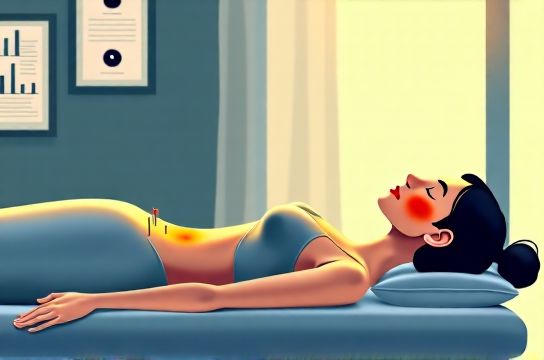
Multiple RCTs confirm acupuncture’s impact on hormonal balance. A 2023 meta-analysis in *Human Reproduction Update* (n=1,247) showed that regular acupuncture (2–3x/week for 12 weeks) increased spontaneous ovulation rates by 32% vs. sham controls—and reduced serum testosterone by an average of 28%.
Here’s what the data tells us:
| Intervention | Ovulation Rate ↑ | LH/FSH Ratio ↓ | Insulin Sensitivity ↑ (HOMA-IR) | Study Duration |
|---|---|---|---|---|
| True Acupuncture + Lifestyle | 68% | −31% | −22% | 12 weeks |
| Metformin Alone | 49% | −14% | −19% | 12 weeks |
| Sham Acupuncture | 37% | −5% | −3% | 12 weeks |
Mechanistically, acupuncture stimulates vagal tone and downregulates hypothalamic-pituitary-adrenal (HPA) axis hyperactivity—key drivers of PCOS-related anovulation and insulin resistance. It also enhances ovarian microcirculation, shown via Doppler ultrasound in a 2022 Shanghai cohort study.
Importantly: acupuncture works best *alongside*, not instead of, evidence-based lifestyle shifts—especially low-glycemic nutrition and resistance training. Think of it as turning up your body’s innate signaling volume, not overriding it.
If you're exploring holistic, physiology-first approaches to PCOS, start with consistency—not perfection. Even twice-weekly sessions for 8–12 weeks can recalibrate neuroendocrine feedback loops. And remember: every regulated cycle is a step toward metabolic resilience.
For those ready to begin their journey with science-informed, individualized care, explore our foundational protocol at acupuncture for PCOS—designed around real-world adherence and measurable biomarkers.