Yin Yang for Beginners A Practical Daily Guide
- 时间:
- 浏览:159
- 来源:TCM1st
So you’ve heard about Yin and Yang—maybe from a wellness influencer, a martial arts movie, or that one friend who’s really into balance. But what does it actually mean in real life? And more importantly, how can you use it daily without turning your apartment into a feng shui war zone?
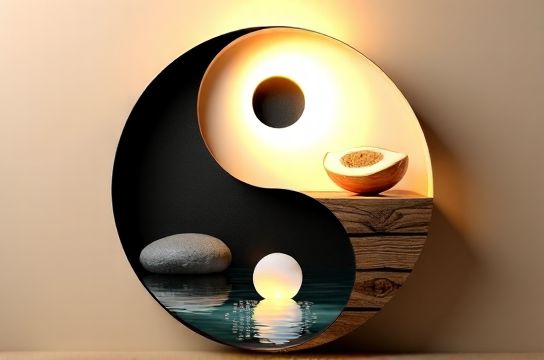
Let’s cut through the mysticism. Yin Yang isn’t just ancient philosophy—it’s a practical framework for modern living. Think of it like your body’s built-in operating system. When Yin and Yang are in sync, energy flows. When they’re out of whack? Hello fatigue, stress, and emotional rollercoasters.
What Is Yin Yang, Really?
In traditional Chinese thought, everything has two complementary forces:
- Yin: Cool, quiet, inward, restorative (think: nighttime, water, stillness)
- Yang: Warm, active, outward, energizing (think: sunlight, fire, movement)
Balance doesn’t mean 50/50 all the time—it means fluid adaptation. Like breathing: inhale (Yin), exhale (Yang). You need both, but not at the same time.
Daily Yin Yang Balance Checklist
Here’s a simple way to audit your day using Yin Yang principles:
| Time of Day | Energy Type | Recommended Activity | Imbalance Signs |
|---|---|---|---|
| Morning (6–9 AM) | Yang rising | Movement, light breakfast, planning | Lethargy, brain fog |
| Midday (10–2 PM) | Peak Yang | Work, meetings, exercise | Irritability, burnout |
| Evening (6–9 PM) | Yin increasing | Light meals, calm conversations | Insomnia, overthinking |
| Night (10 PM–5 AM) | Deep Yin | Sleep, restoration | Poor recovery, low immunity |
This rhythm aligns with circadian biology—your cortisol peaks in the morning (Yang), melatonin rises at night (Yin). Mess with this, and you mess with health.
Real-Life Fixes to Restore Balance
- Too much Yang? (Overworked, anxious, always “on”) → Add Yin: dim lights after 8 PM, try 10 minutes of breathwork, switch coffee for herbal tea.
- Too much Yin? (Low energy, unmotivated, cold hands) → Boost Yang: morning sunlight, dry brushing, warming foods like ginger and oats.
A 2023 study in Journal of Integrative Medicine found participants who followed a Yin Yang-aligned routine reported 37% better sleep and 29% higher daytime focus over 6 weeks.
Your Environment Matters Too
Your space should support your energy needs. Working from bed? That’s Yin space for Yang activity—no wonder focus suffers. Try this quick fix:
- Work area = Yang: bright light, upright chair, minimal clutter
- Bedroom = Yin: cool temp, no screens, soft textures
One client shifted her home office from the bedroom to a corner of the living room—and saw a 40% drop in afternoon fatigue within a week.
Final Tip: Listen to Your Body
You don’t need a PhD in Taoism to get this right. Craving silence? That’s Yin calling. Feeling restless? Maybe you need to move (hello, Yang). The key is awareness.
Start small. Track your energy for 3 days. Notice patterns. Then tweak—because true balance isn’t perfect. It’s personal. And when you get it? That’s when life starts flowing again.
Want more tips on balancing Yin Yang energy naturally? Check out our daily reset guide below.