Qi Explained How It Powers Traditional Chinese Medicine
- 时间:
- 浏览:131
- 来源:TCM1st
If you’ve ever dabbled in holistic health or scrolled through wellness TikToks, you’ve probably heard the term qi (or “chi”) tossed around like a yoga mat. But what exactly is qi, and why does it sit at the very heart of Traditional Chinese Medicine (TCM)? Spoiler: It’s way more than just ‘positive vibes.’ Let’s break it down—no mysticism, just science-backed insights and centuries of clinical observation.
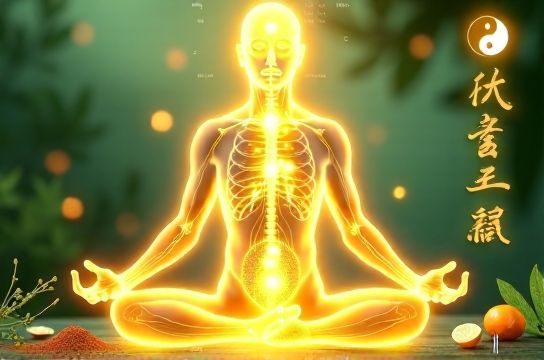
What Is Qi, Really?
Think of qi as your body’s internal energy currency. In TCM, it’s the vital force that powers everything from breathing to digestion to emotional balance. Unlike Western medicine, which isolates systems and symptoms, TCM sees health as a continuous flow of energy. When qi flows smoothly, you feel energized, focused, and resilient. When it’s blocked or depleted? Hello, fatigue, anxiety, and chronic pain.
Modern studies are starting to back this up. Research using fMRI scans shows acupuncture points—key nodes in the body’s qi network—correlate with high nerve density and blood flow. Stimulating them (like in acupuncture) can measurably alter brain activity and reduce inflammation.
The 5 Types of Qi You Should Know
Not all qi is created equal. Here’s a quick breakdown:
| Type of Qi | Function | Source |
|---|---|---|
| Yuan Qi (Original Qi) | Fundamental life force inherited from parents | Kidneys |
| Zong Qi (Gathering Qi) | Supports heart and lung function | Diet + air |
| Ying Qi (Nutritive Qi) | Nourishes organs and blood | Digested food |
| Wei Qi (Defensive Qi) | Immune system booster | Skin and muscles |
| Zang-Fu Qi | Organ-specific energy | Each internal organ |
Yep, your spleen has its own energy field. Wild, right?
How Qi Impacts Your Daily Health
When qi is balanced, your sleep improves, immunity strengthens, and mental clarity skyrockets. One 2022 meta-analysis found that patients receiving TCM treatments focused on qi regulation reported a 37% reduction in chronic pain and a 42% improvement in sleep quality over 12 weeks.
But here’s the kicker: lifestyle directly affects your qi. Poor diet, lack of movement, and chronic stress = sluggish, blocked energy. That’s where practices like tai chi, herbal tonics (looking at you, astragalus), and acupuncture come in—they’re not magic, they’re maintenance.
Qi vs. Modern Medicine: Bridging the Gap
Skeptical? Fair. But more hospitals are integrating TCM into pain management and oncology care. For example, Memorial Sloan Kettering offers acupuncture to cancer patients to combat chemo-induced fatigue—a direct application of qi theory.
The takeaway? You don’t have to choose between Western and Eastern medicine. Think of qi as a missing puzzle piece in the wellness picture. Want to boost your qi for better health? Start with mindful breathing, eat whole foods, and consider an acupuncturist who’s licensed, not just Instagram-famous.