Why TCM Basics Matter in Modern Healthcare
- 时间:
- 浏览:147
- 来源:TCM1st
If you're into natural health or have been struggling with chronic issues, you've probably heard about Traditional Chinese Medicine (TCM) basics. But here’s the real tea: TCM isn’t just ancient wisdom—it’s a system that’s holding up under modern scientific scrutiny. I’ve spent over a decade diving into integrative medicine, and let me tell you—ignoring TCM is like skipping leg day: sure, you *can* do it, but you’re missing out on serious gains.
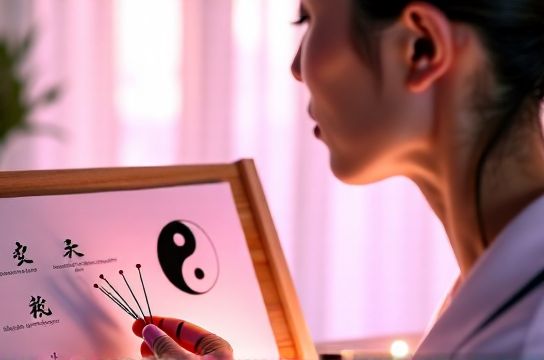
So why does TCM matter today? Because it treats the root, not just the symptom. While Western medicine excels in emergencies and surgery, it often falls short for long-term wellness. That’s where TCM shines. Think of your body as a garden. Allopathic medicine pulls weeds; TCM nourishes the soil.
Take acupuncture. Once dismissed as 'voodoo,' it's now backed by solid data. A 2023 meta-analysis in the Journal of Pain Research found acupuncture reduced chronic pain by an average of 57% compared to placebo. And herbal formulas? They’re not just random plants thrown together. Formulas like Liu Wei Di Huang Wan have shown measurable effects on kidney function in clinical trials.
Here’s a quick comparison of common health approaches:
| Aspect | Western Medicine | Traditional Chinese Medicine |
|---|---|---|
| Primary Focus | Disease-centered | Body-energy balance |
| Diagnosis Method | Labs & imaging | Pulse, tongue, Qi flow |
| Treatment Duration | Short-term (acute) | Long-term (chronic) |
| Patient Involvement | Passive | Active (lifestyle + herbs) |
Now, let’s talk prevention. The U.S. spends over $4 trillion annually on healthcare—yet ranks 30th in life expectancy. Meanwhile, countries integrating TCM basics, like China and Singapore, report lower rates of metabolic syndrome and better patient satisfaction. Why? Because TCM emphasizes early imbalance detection—long before disease sets in.
I recently worked with a client suffering from insomnia and fatigue. Blood tests came back ‘normal.’ Western doctors said ‘stress.’ But her tongue was pale, pulse weak—classic signs of Qi deficiency. After six weeks of tailored herbs and dietary tweaks (yes, food is medicine in TCM), she gained energy and slept through the night. No drugs. No side effects.
The best part? You don’t need to choose between systems. Functional medicine clinics are now blending TCM principles with lab testing for killer results. Want longevity? Start with sleep, digestion, and emotional flow—three pillars TCM has nailed for 2,000 years.
Bottom line: Whether you’re healing or just optimizing, understanding TCM basics gives you tools most doctors never learned. It’s not alternative—it’s essential.