Yin Yang for Beginners Symbols and Their Meaning
- 时间:
- 浏览:147
- 来源:TCM1st
So you’ve seen the swirl — half black, half white, with tiny dots staring back at you like cosmic eyes. Yeah, that’s the yin yang symbol. But what does it actually mean? And why is it everywhere — from tattoos to tea boxes to your yoga instructor’s wall scroll? Let’s break it down without the fluff.
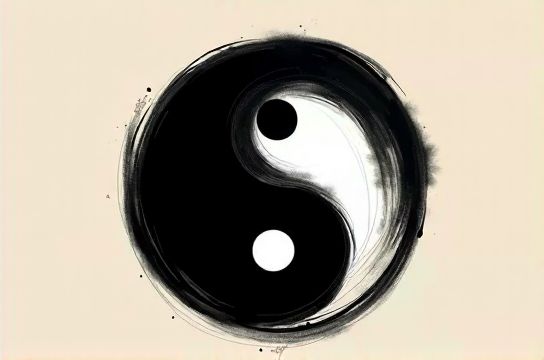
The yin yang symbol, or Taijitu, comes from ancient Chinese philosophy, mainly Taoism. It’s not just a cool design — it’s a worldview. In short: life isn’t about good vs. evil. It’s about balance. Opposing forces? Sure. But also interdependent ones. Think day and night, hot and cold, action and rest.
Here’s the deal: yin (the black side) represents the passive, dark, cool, inward energy. Moon vibes. Feminine energy in traditional terms. Yang (the white side) is active, bright, warm, outward-moving. Sun energy. Masculine energy. But here’s the kicker — neither exists without the other. And each contains a seed of its opposite (hello, those little dots).
Still not convinced this matters beyond philosophy class? Check this out: modern science kinda agrees. Circadian rhythms? That’s yin (night) and yang (day) in action. Even in medicine, Traditional Chinese Medicine (TCM) uses yin yang theory to diagnose imbalances. Too much yang? You might have inflammation, insomnia, or anxiety. Too much yin? Fatigue, coldness, low motivation.
Let’s get visual:
| Aspect | Yin | Yang |
|---|---|---|
| Nature | Passive | Active |
| Temperature | Cool | Warm |
| Time of Day | Night | Day |
| Season | Winter | Summer |
| Energy Flow | Inward | Outward |
This table isn’t just for show — it’s how practitioners assess lifestyle balance. For example, if you’re burning the midnight oil (yang activity during yin time), you’re disrupting the natural rhythm. No wonder you’re exhausted.
Now, let’s talk real-life application. Want to live more in tune with yin and yang principles? Start small:
- Evening routine: Dim lights, herbal tea, no screens — boost yin as night falls.
- Morning boost: Sunlight exposure, movement, warm breakfast — welcome yang.
- Diet: Cooling foods (cucumber, melon) = yin. Warming foods (ginger, cinnamon) = yang. Eat according to season and body needs.
And no, you don’t need to go full monk mode. Balance isn’t perfection — it’s adjustment. Some days are yang-heavy (work, deadlines). Others are yin-dominant (rest, recovery). The symbol reminds us: this is natural. The key is awareness.
Fun fact: The yin yang concept dates back over 3,000 years, but its relevance? Timeless. Whether you’re into spirituality, wellness, or just curious, understanding this symbol gives you a lens to see life differently — not in binaries, but in flow.