Essential TCM Basics Every Holistic Health Enthusiast Should Know
- 时间:
- 浏览:124
- 来源:TCM1st
If you're diving into holistic health, skipping Traditional Chinese Medicine (TCM) is like trying to run a marathon in flip-flops — possible, but not ideal. As someone who’s spent over a decade consulting in integrative wellness clinics and comparing Eastern and Western modalities, I’ve seen how TCM transforms lives when understood correctly.
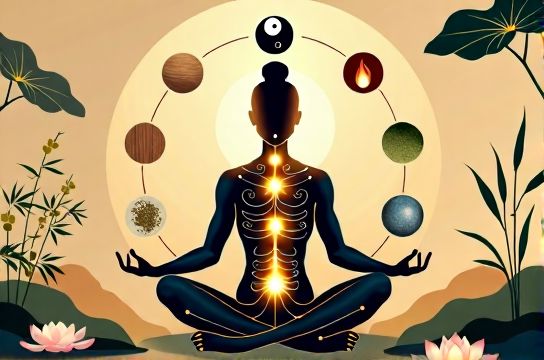
Unlike quick-fix Western trends, TCM operates on balance. It’s not about crushing symptoms; it’s about identifying root imbalances using tools like pulse diagnosis, tongue analysis, and energetic mapping of qi (vital energy). Let’s break down the core pillars backed by both ancient texts and modern research.
The 5 Key Elements & Organ Systems
In TCM, your body isn’t just organs — it’s a dynamic ecosystem governed by five elements: Wood, Fire, Earth, Metal, and Water. Each corresponds to emotions, seasons, and organ pairs. Here's a quick-reference table:
| Element | Organs | Season | Emotion |
|---|---|---|---|
| Wood | Liver/Gallbladder | Spring | Anger |
| Fire | Heart/Small Intestine | Summer | Joy (excess) |
| Earth | Spleen/Stomach | Late Summer | Worry |
| Metal | Lung/Large Intestine | Autumn | Grief |
| Water | Kidney/Bladder | Winter | Fear |
According to a 2022 meta-analysis in Complementary Therapies in Medicine, patients practicing TCM-based lifestyle adjustments reported a 37% reduction in chronic digestive issues and improved sleep scores. Why? Because TCM treats the Spleen not just as a filter, but as the “center of transformation” for food and thought.
Qi, Blood, and the Meridian Highway
Think of your body as a city. Qi is the electricity, Blood is the delivery trucks, and meridians are the roads. When traffic jams happen (aka Qi stagnation), you get pain, PMS, or irritability. Acupuncture? That’s the tow truck clearing the blockage.
A 2021 NIH study found that regular acupuncture increased circulation by up to 28% in patients with sluggish metabolism. And herbs like astragalus and goji berry? They’re not just trendy superfoods — they’re adaptogens used for centuries to tonify Qi.
Yin vs. Yang: More Than Just a Symbol
You’ve seen the yin-yang logo on yoga mats. But here’s what it really means: Yin is cooling, nourishing, inward energy (think rest, fluids, recovery). Yang is warming, active, outward energy (movement, metabolism, action).
Modern life? Heavily yang-dominant. Late nights, constant stimulation, caffeine overload — this depletes yin, leading to burnout, dry skin, and insomnia. A classic sign: feeling ‘wired but tired’ at 10 p.m.
Real talk: balancing yin and yang isn’t about extreme diets. It’s small shifts. Swap one coffee for chrysanthemum tea (cools liver heat), eat warm cooked meals instead of raw salads (easier on Spleen qi), and prioritize sleep before midnight — when liver detox peaks.
For deeper guidance, check out our full guide on TCM principles for modern living, where we map daily routines to elemental cycles.