How the Meridian System Connects Organs and Emotions
- 时间:
- 浏览:158
- 来源:TCM1st
If you've ever felt a knot in your stomach during stress or noticed your heart racing when anxious, your body might be revealing something deeper—something ancient Eastern medicine has known for centuries: your organs and emotions are deeply linked through the meridian system.
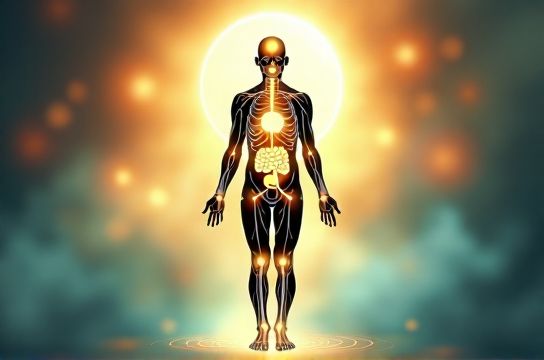
Unlike Western medicine, which often treats physical and emotional health separately, Traditional Chinese Medicine (TCM) sees them as two sides of the same coin. At the core of this holistic view is the meridian system—a network of energy pathways that connect organs to emotions, physical symptoms to psychological states.
What Exactly Is the Meridian System?
The meridian system consists of 12 primary channels, each associated with a major organ and an emotion. These channels carry qi (vital energy), and when qi flows smoothly, we feel balanced. When it’s blocked or imbalanced? That’s when emotional and physical issues arise.
For example, the Liver meridian isn’t just about detoxification—it’s tied to anger and frustration. Ever snap at someone after being stuck in traffic? That might be Liver qi stagnation talking.
Organ-Emotion Connections: The TCM Blueprint
Here’s a breakdown of the key organ-emotion links recognized in TCM:
| Organ | Associated Emotion | Physical Signs of Imbalance | Emotional Signs of Imbalance |
|---|---|---|---|
| Liver | Anger | Headaches, menstrual pain, eye issues | Irritability, frustration, mood swings |
| Heart | Joy (excess or deficiency) | Palpitations, insomnia | Anxiety, mania, lack of enthusiasm |
| Spleen | Worry | Digestive issues, fatigue | Overthinking, obsession, mental fog |
| Lung | Grief | Asthma, frequent colds | Sadness, detachment, low immunity |
| Kidney | Fear | Low back pain, weak knees | Anxiety, insecurity, burnout |
This isn’t just poetic metaphor—modern studies have found correlations between chronic organ conditions and emotional patterns. For instance, a 2021 review in Frontiers in Psychology noted that patients with irritable bowel syndrome (Spleen-related in TCM) often exhibit higher levels of anxiety and rumination.
How to Use This Knowledge Daily
Understanding the meridian-emotion connection empowers you to interpret your body’s signals. Feeling constant sadness? It might not just be emotional—it could signal Lung qi weakness. Addressing it with deep breathing, herbal support like astragalus, or acupuncture can help on both levels.
Similarly, managing anger isn’t just about therapy—it might involve Liver-supportive habits: reducing alcohol, increasing movement, and eating leafy greens.
Final Thoughts
The meridian system offers a powerful lens for self-care—one that bridges body and mind. By honoring these ancient connections, you’re not just treating symptoms; you’re restoring balance at the root.