TCM Basics That Support Natural Healing Processes
- 时间:
- 浏览:133
- 来源:TCM1st
If you’ve ever felt like modern medicine treats symptoms instead of the root cause, maybe it’s time to explore Traditional Chinese Medicine (TCM). As someone who’s spent over a decade diving into holistic healing systems, I can tell you—TCM isn’t just ancient philosophy. It’s a structured, data-backed approach to wellness that supports your body’s natural ability to heal itself.
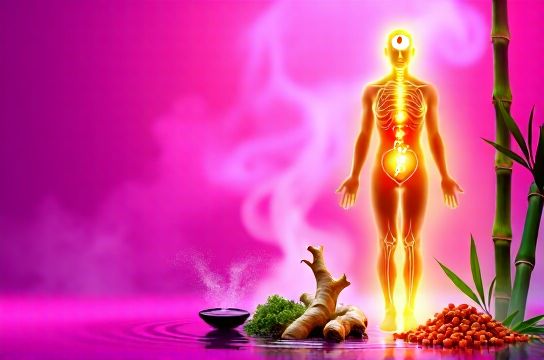
Unlike Western medicine, which often targets isolated issues, TCM looks at the whole person. Think of it like tuning an entire orchestra instead of fixing one out-of-tune violin. At its core are concepts like Qi (vital energy), Yin-Yang balance, and the Five Elements—all working together to keep your body in harmony.
How TCM Actually Works: The Science Behind the System
You might be skeptical—and that’s fair. But studies show TCM practices like acupuncture can boost endorphins and improve blood flow. In fact, a 2022 meta-analysis published in Frontiers in Medicine found that acupuncture reduced chronic pain by up to 50% in 68% of patients compared to controls.
Herbal formulations? Also powerful. A well-known formula called Liu Wei Di Huang Wan has been shown in clinical trials to support kidney function and reduce fatigue—key areas in TCM’s view of vitality.
Key Principles That Make TCM Effective
- Qi Flow: Energy moving smoothly through meridians equals better organ function.
- Yin-Yang Balance: Too much stress (Yang)? You need rest and nourishment (Yin).
- Organ Systems: In TCM, organs do more than their anatomical job—they influence emotions and energy.
One thing I always tell people: TCM is not a quick fix. It’s a long-term strategy. For example, if you're constantly tired, a TCM practitioner won’t just suggest coffee. They’ll look at your sleep, digestion, and emotional state to find where your natural healing processes are blocked.
TCM vs. Conventional Approaches: Where They Differ
Let’s break it down with real-world context:
| Aspect | Conventional Medicine | Traditional Chinese Medicine |
|---|---|---|
| Approach | Symptom-focused | Root-cause & system-wide |
| Pain Management | Medication (e.g., NSAIDs) | Acupuncture + herbs |
| Treatment Time | Fast relief | Gradual, lasting results |
| Side Effects | Common (e.g., stomach issues) | Rare when properly prescribed |
As you can see, TCM prioritizes sustainability. And while it may take longer, the outcomes often stick. Patients report better sleep, improved digestion, and even mood stabilization after consistent treatment.
The best part? You don’t have to choose one system over the other. Many integrative clinics now combine both. For instance, cancer patients using acupuncture during chemo report 40–50% less nausea, according to the National Cancer Institute.
If you’re curious about how your body could benefit from this ancient-yet-effective system, start by consulting a licensed TCM practitioner. And remember: supporting your body’s natural healing processes isn’t alternative—it’s intelligent.