Yin Yang for Beginners Understanding Opposing Forces
- 时间:
- 浏览:147
- 来源:TCM1st
If you've ever dabbled in Eastern philosophy, wellness, or even just trendy tattoo designs, you’ve probably seen the iconic yin yang symbol. But what does it *really* mean? As a long-time student of Taoist principles and someone who’s taught mindfulness workshops for over a decade, I’m here to break down Yin Yang for beginners—in plain English, with real-life applications.
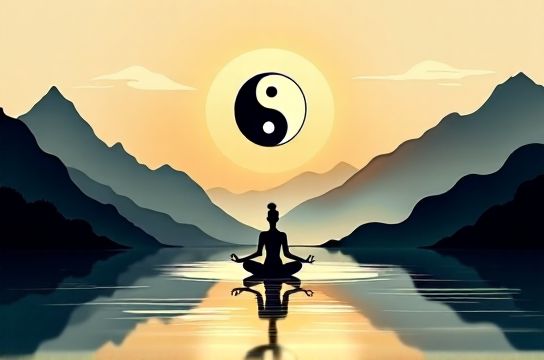
The yin yang concept comes from ancient Chinese philosophy, particularly Taoism. It represents how opposite forces are actually interconnected and interdependent in the natural world. Think hot and cold, light and dark, active and passive. These aren’t in conflict—they’re in balance. And that balance? That’s where harmony lives.
Let’s get one thing straight: yin yang isn’t about good vs. evil. It’s about complementarity. For example, you can’t have day without night. You can’t appreciate rest if you never work. The magic happens when both sides are respected and allowed to flow naturally.
Yin and Yang at a Glance
Here’s a quick-reference table showing key traits:
| Aspect | Yin | Yang |
|---|---|---|
| Nature | Passive | Active |
| Energy | Receptive | Expansive |
| Time of Day | Night | Day |
| Season | Winter | Summer |
| Element (Wu Xing) | Water | Fire |
| Body Focus | Organs (e.g., kidneys) | Function (e.g., heart rate) |
Notice how each side contains a dot of the other? That’s no accident. It shows that nothing is 100% one thing. Even in the brightest day, there’s a seed of night—and vice versa. This is crucial for understanding Yin Yang balance in daily life.
Why Balance Matters (and How We Lose It)
In our hustle-obsessed culture, yang energy dominates. We glorify productivity, speed, and constant output. But without enough yin—rest, reflection, stillness—we burn out. Studies show that chronic stress (a hyper-yang state) contributes to over 75% of doctor’s visits in the U.S. (American Psychological Association, 2023).
On the flip side, too much yin—like excessive sleep or emotional withdrawal—can lead to stagnation. The goal isn’t to eliminate one for the other, but to cycle between them like the seasons.
Practical Ways to Apply Yin Yang Daily
- Morning (yang): Try dynamic movement like jogging or sun salutations.
- Evening (yin): Shift to gentle yoga or meditation—yes, yin yoga is literally named after this principle!
- Work rhythm: Use the Pomodoro technique—25 mins focus (yang), 5 mins rest (yin).
Remember: mastery isn’t perfection. It’s awareness. Start noticing where you’re overdoing or underdoing. Then adjust—just like tuning an instrument.