Explore the Meridian System in Traditional Chinese Medicine
- 时间:
- 浏览:126
- 来源:TCM1st
If you've ever wondered how acupuncture works or why pressing certain spots on your foot can ease a headache, welcome to the fascinating world of the meridian system in Traditional Chinese Medicine (TCM). As someone who’s spent over a decade diving into holistic healing methods, I’m here to break it down—no fluff, just real insights backed by both ancient wisdom and modern research.
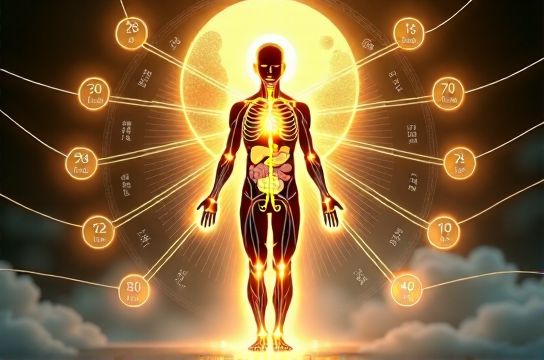
The meridian system is like the body’s invisible energy highway. Think of it as Wi-Fi for your life force—only instead of streaming videos, it’s keeping your organs, emotions, and immune system in sync. In TCM, this energy is called Qi (pronounced “chee”), and it flows through 12 primary meridians, each linked to a major organ. When Qi flows smoothly, you feel balanced. When it’s blocked? Hello, fatigue, pain, or even mood swings.
Let’s get practical. Here’s a quick reference table showing the main meridians, their associated organs, and peak flow times based on the Chinese Body Clock:
| Meridian | Organ | Peak Time (24h) |
|---|---|---|
| Lung | Lungs | 3:00–5:00 |
| Large Intestine | Colon | 5:00–7:00 |
| Stomach | Stomach | 7:00–9:00 |
| Spleen | Spleen/Pancreas | 9:00–11:00 |
| Heart | Heart | 11:00–13:00 |
| Small Intestine | Small Intestine | 13:00–15:00 |
| Bladder | Bladder | 15:00–17:00 |
| Kidney | Kidneys | 17:00–19:00 |
| Pericardium | Heart Protector | 19:00–21:00 |
| Triple Burner | Hormonal System | 21:00–23:00 |
| Gallbladder | Gallbladder | 23:00–1:00 |
| Liver | Liver | 1:00–3:00 |
Notice anything? Your body’s natural rhythm lines up with these meridian cycles. For example, if you’re always waking up at 3 a.m., it might not be insomnia—it could be a liver meridian imbalance tied to stress or detox issues.
Now, skeptics might say, “Where’s the proof?” Fair question. While Western science hasn’t mapped Qi like nerves or blood vessels, studies using fMRI and thermal imaging show that acupuncture points have distinct electrical conductivity. A 2021 meta-analysis published in Frontiers in Neuroscience found measurable changes in brain activity when specific meridian points were stimulated.
So how do you use this knowledge? Start small. If you’re bloated every morning, try massaging your stomach meridian (runs from your second toe up your leg) before breakfast. Feeling emotionally drained? The heart meridian runs along your inner arm—gentle pressure there can calm the nervous system.
The bottom line? Whether you're into wellness trends or just looking for natural ways to feel better, understanding the meridian system in Traditional Chinese Medicine gives you an edge. It’s not magic—it’s biology tuned to a different frequency.